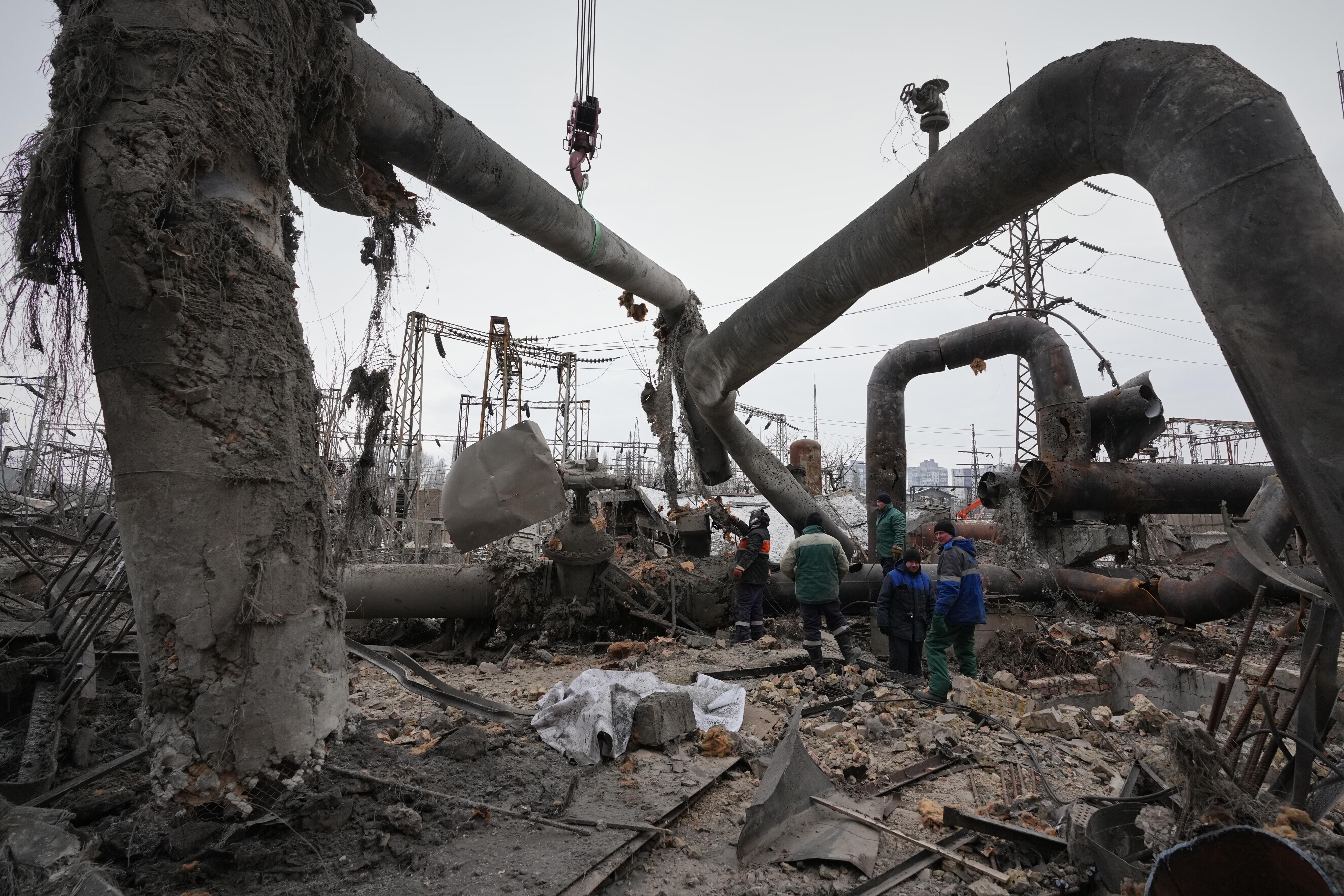
Russian forces struck Ukrainian energy infrastructure on October 11, hours after President Donald Trump announced that Russia and Ukraine had agreed to stop attacking each other’s energy facilities.
Ukrainian President Volodymyr Zelensky said a drone hit a power plant in Kyiv, causing electricity outages in the capital. He later reported a strike on the CHP-5 thermal power plant in Kharkiv, in northeastern Ukraine, as Russian drones and guided bombs continued operating over the country.
Trump had announced the proposed ceasefire on his Truth Social platform, declaring that it was effective immediately. However, he provided no details about its terms, Zelensky said he was seeking clarification, and the Kremlin had not publicly confirmed its agreement.
Trump Announces an Immediate Energy Truce
Trump’s October 11 announcement stated that both sides had agreed to an “ENERGY CEASEFIRE” in the war, now in its fifth year.
The declaration followed months of attacks on power plants, oil refineries and other energy infrastructure. Russia’s strikes have repeatedly disrupted electricity and heating in Ukrainian cities, while Ukraine has targeted Russian oil refineries and other facilities it says help finance Moscow’s military campaign.
The announcement initially raised hopes that the two countries might halt attacks on infrastructure vital to civilians and global energy supplies. But the absence of published terms or immediate confirmation from Moscow left questions about how the proposed agreement would work.
Zelensky said Ukraine welcomed the prospect of a truce and was prepared to stop attacking Russian energy sites if Russia did the same.
Kyiv and Kharkiv Report New Strikes
Zelensky reported that a drone struck a power plant in Kyiv, contributing to electricity outages. Later, he said Russia had attacked the CHP-5 power plant in Kharkiv.
Ukrainian officials said the Kharkiv facility was struck at least twice, causing a fire. The timing was significant because the attack was reported after Trump’s announcement of the energy ceasefire.
Zelensky also said Russian drones, known as Shaheds, had been active over Ukraine throughout the day, while glide bombs and other strikes continued to hit Ukrainian infrastructure.
The attacks underscored the uncertainty surrounding the proposed truce: Ukraine said it was ready to participate, but the public statements available at the time did not establish that Russia had formally accepted the arrangement.
Dispute Over Russian Diesel and U.S. Sanctions
The ceasefire announcement came amid escalating tensions between Trump and Zelensky over energy policy and the cost of fuel.
Two days earlier, Trump announced a temporary easing of U.S. sanctions on Russian diesel. The move drew criticism from Ukraine and European allies, who argued that easing restrictions could increase Russian revenue while Moscow continued its war.
Trump has blamed Ukrainian attacks on Russian refineries for contributing to rising diesel prices in the United States. Zelensky has countered that the wider war in the Middle East, including disruption to shipping through the Strait of Hormuz, is a major factor driving energy-market pressure.
The dispute illustrates how the war in Ukraine has become increasingly entangled with global energy prices and U.S. domestic political concerns ahead of the November midterm elections.
Trump and Zelensky Clash Over Ukraine’s Leadership
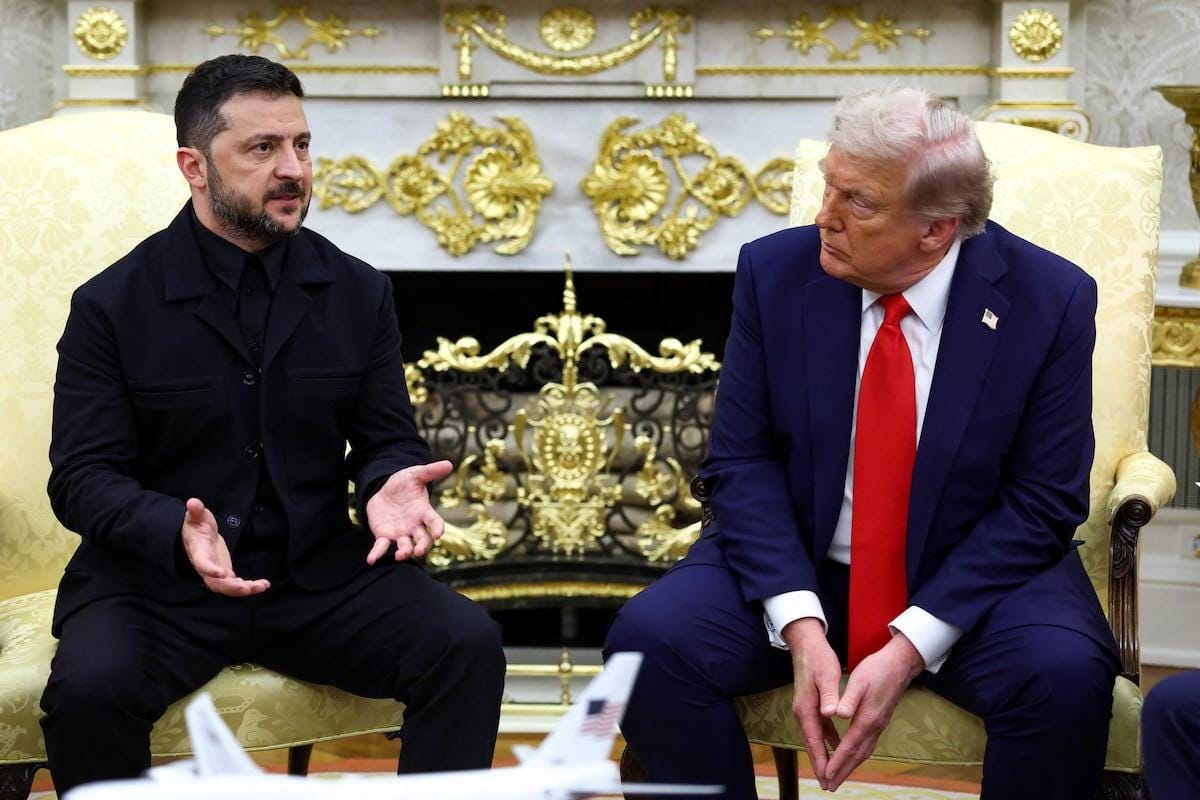
The energy ceasefire announcement followed a sharp exchange between Trump and Zelensky.
On October 10, Trump said Ukraine should elect a new president, arguing that Zelensky had missed opportunities to reach a deal with Russia. He also criticized Ukrainian strikes on Russian oil refineries.
Zelensky rejected the suggestion that Washington should determine Ukraine’s leadership. In an interview with ABC News, he said the choice belonged to Ukrainian citizens.
The dispute has added strain to relations between Washington and Kyiv at a time when Ukraine is seeking continued international support and a halt to Russian attacks on its infrastructure.
European Leaders Back Zelensky’s Call for a Ceasefire
European leaders publicly supported Zelensky and called for a ceasefire that would protect energy infrastructure and civilian needs.
German Foreign Minister Johann Wadephul said Berlin continued to support Ukraine. European Commission President Ursula von der Leyen also backed Zelensky’s call for a truce protecting energy infrastructure and global food supplies.
French President Emmanuel Macron said France supported a genuine energy ceasefire and accused Russia of intensifying attacks on Ukrainian infrastructure.
The statements showed continued European support for Kyiv, while leaving open the question of whether Trump’s announcement would lead to a coordinated, verifiable arrangement accepted by both sides.
A Ceasefire Still Waiting for Confirmation
The attacks following Trump’s announcement have raised doubts about whether the proposed energy truce can take effect in practice.
A functioning ceasefire would require clear terms, agreement from both governments and a way to determine whether attacks on covered facilities had stopped. As of the reports published on October 11, the details had not been publicly disclosed and Russia had not confirmed its participation.
Ukraine says it is ready to stop strikes on Russian energy infrastructure if Moscow reciprocates. Whether Russia will formally accept the proposal and whether both sides will comply remain unresolved.
For civilians facing power outages and repeated attacks, the immediate question is whether the announcement can translate into a meaningful pause in strikes on the infrastructure needed to keep homes, hospitals and businesses operating.