

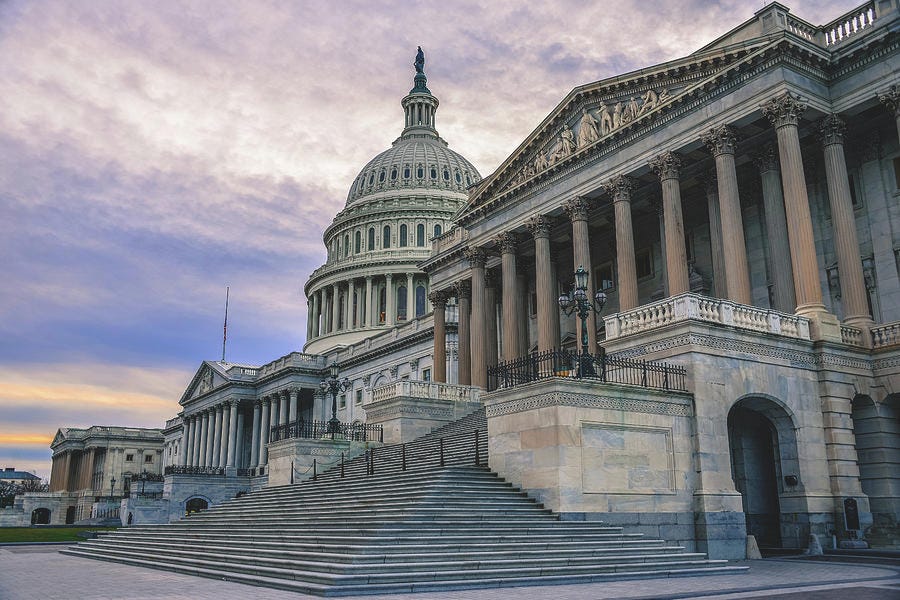
The United States Senate officially adjourned on Wednesday and will not reconvene until after the highly anticipated November midterm elections. The recess allows senators, particularly those facing tough re-election battles, to return to their home states for a crucial final stretch of campaigning.
The chamber’s departure follows the House of Representatives, which left Washington earlier in September to focus on district work and election efforts. Both chambers are scheduled to return on November 9, just days after voters head to the polls to determine the balance of power in Congress.
While the break gives lawmakers essential time on the campaign trail, it also ensures a crowded and high-stakes legislative agenda when they return. Congress faces a looming deadline of December 11, when the current continuing resolution (CR) funding the federal government is set to expire. Lawmakers will need to negotiate and finalize all 12 spending bills for fiscal year 2027 to avoid a government shutdown just weeks before the holidays.
In addition to government funding, the Senate’s post-election to-do list includes ongoing negotiations over bipartisan permitting reform, final action on the National Defense Authorization Act (NDAA), and a potentially massive disaster supplemental funding package. The Senate will also be expected to process further judicial nominations before the end of the current congressional session.
The outcome of the November elections will likely dictate how aggressively the current Congress acts during the lame-duck session. Depending on which party secures the majority for the upcoming term, federal lawmakers may choose to pass another short-term funding extension to delay finalizing long-term spending bills until the new Congress is sworn in next year.