

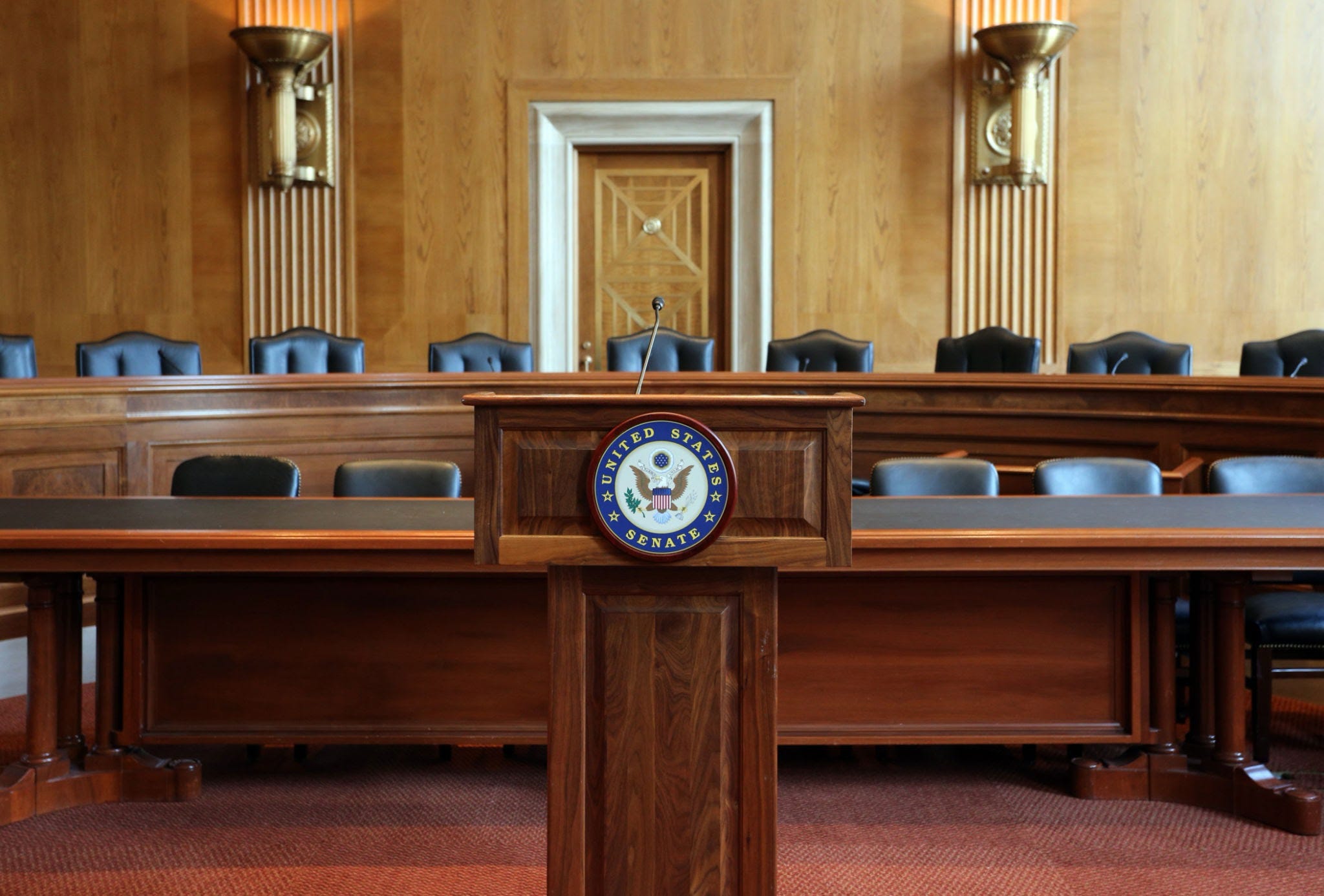
A prominent Senate committee has formally rejected a legal proposal that would have granted a former senior assistant to Dr. Anthony Fauci immunity from prosecution in exchange for their testimony and cooperation in the ongoing investigation into the origins of the COVID-19 pandemic.
The legal standoff centers on the Senate’s prolonged probe into the National Institutes of Health (NIH) and the National Institute of Allergy and Infectious Diseases (NIAID). Lawmakers have spent years seeking to uncover internal agency communications regarding the handling of early pandemic intelligence, the approval of controversial grants to the Wuhan Institute of Virology via the EcoHealth Alliance, and allegations of systemic evasion of the Freedom of Information Act (FOIA).
The aide’s legal team reportedly approached the committee with a proffer—offering full, unvarnished testimony and access to previously undisclosed documents, provided the individual was granted blanket immunity from potential federal prosecution.
Uncovering the ‘Secret Channel’
Senate investigators have been fiercely pursuing former officials in Fauci’s orbit after earlier document dumps revealed that several top NIAID aides intentionally used personal email accounts to conduct official government business.
According to emails acquired via previous subpoenas, members of Fauci’s inner circle openly discussed strategies for dodging FOIA requests, occasionally suggesting that journalists and watchdog groups could not access emails sent via private servers or encrypted messaging apps. Lawmakers argued that granting immunity now would essentially reward officials for breaking federal records-keeping laws while simultaneously obstructing congressional oversight.
“The American people deserve complete transparency regarding how their public health institutions operated during the most catastrophic crisis of our lifetime,” one committee member noted in a statement following the rejection. “We will not trade accountability for information that this committee is already legally entitled to receive through lawful subpoenas.”
Next Steps in the Probe
By rejecting the immunity deal, the Senate committee is signaling a willingness to play hardball.
If the former assistant continues to refuse compliance with outstanding subpoenas, lawmakers may escalate the matter by pursuing a formal contempt of Congress charge. This would effectively refer the individual to the Department of Justice for potential criminal prosecution based solely on their refusal to testify.
The ongoing Senate investigations are part of a broader, multi-year congressional effort to determine whether risky, taxpayer-funded virology research inadvertently sparked the global outbreak, and to what extent top U.S. health officials were aware of those risks in the early days of 2020.