

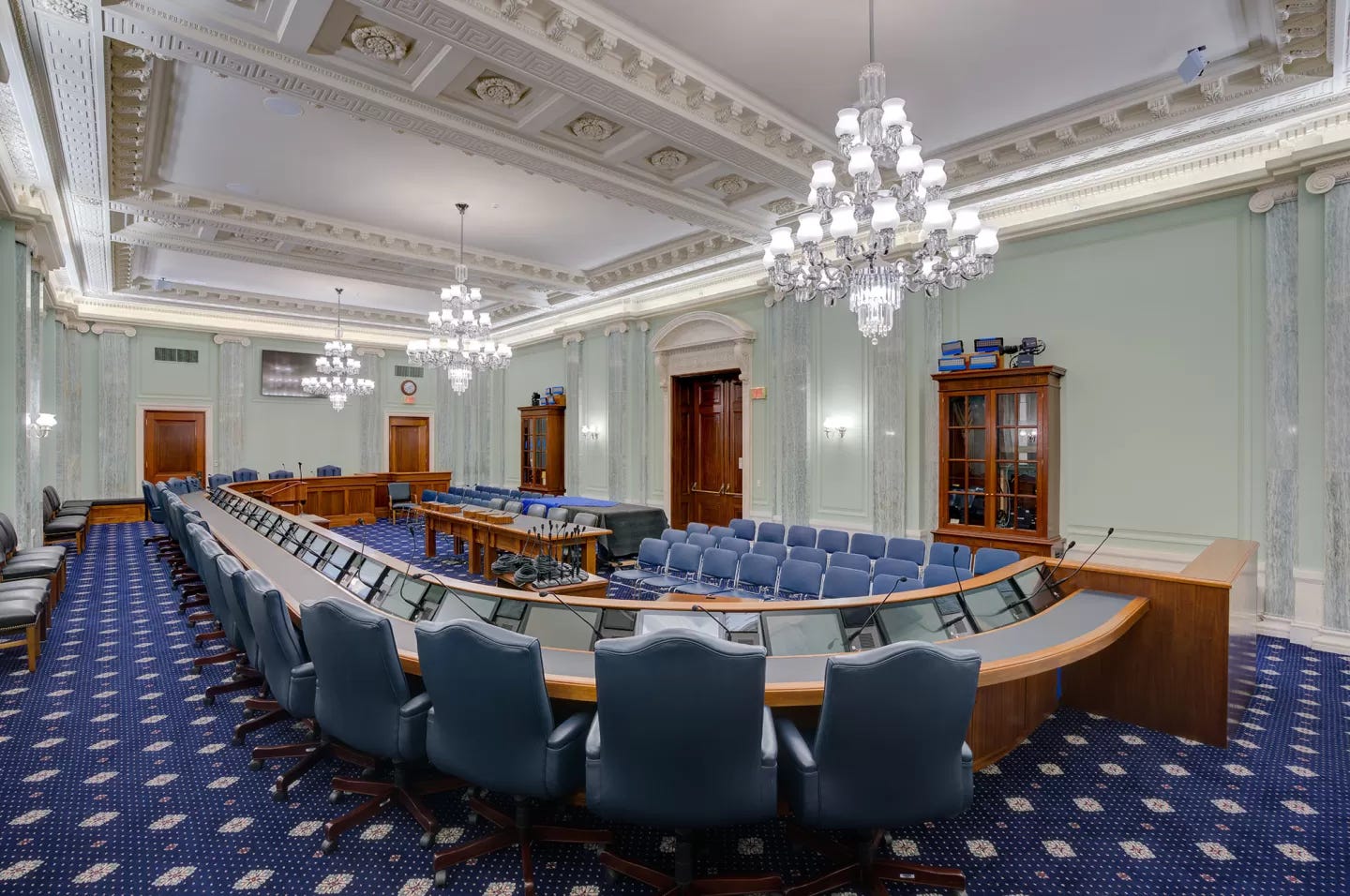
In the aftermath of bruising midterm elections that will soon flip control of the upper chamber, Senate Republicans have officially launched a frantic lame-duck effort to confirm President Donald Trump’s remaining judicial nominees before Democrats take the gavel in January 2027.
The sprint is being orchestrated by outgoing Senate Judiciary Committee Chairman Chuck Grassley. In a defiant op-ed published in the Wall Street Journal on Tuesday, the Iowa Republican declared his intention to advance and confirm as many pending judges as possible within the GOP’s rapidly narrowing window. Grassley has already scheduled two high-profile confirmation hearings in an eight-day span to process the president’s picks, brushing off anticipated pushback from the left as mere “theatrics.”
The aggressive push aims to fill roughly 25 open federal judgeships, a final blitz that would bring Trump’s total number of confirmed lifetime judicial appointments across his two terms to well over 300. The current slate of pending nominees includes several deeply conservative picks, such as William Grayson Lambert for the District of South Carolina, who previously served as chief legal counsel defending the state’s stringent six-week abortion ban. The list also features James Sullivan, nominated to the Western District of Texas just days after he lost his re-election bid to the Texas Supreme Court.
Democrats, emboldened by their sweeping midterm victories, are signaling fierce resistance. Senator Dick Durbin, who is poised to reclaim the Judiciary Committee chairmanship next year, slammed Republicans on Tuesday for allegedly bypassing standard procedural rules and failing to thoroughly vet the nominees’ backgrounds in their rush to the finish line.
“Before appointing a person to a lifetime appointment to the federal bench, shouldn’t we take a close look at their background?” Durbin questioned during a tense committee session, explicitly warning Republicans that their aggressive tactics would not be forgotten by the incoming Democratic majority.
The judicial blitz adds intense pressure to a heavily congested lame-duck calendar. Senate Majority Leader John Thune emphasized this week that while reaching a short-term government funding deal by December 11 remains critical to avoid a government shutdown, the party’s immediate and primary focus is “getting the judges across the finish line.”
While Democrats possess limited procedural tools to outright block the confirmations while Republicans still hold the majority, they are highly incentivized to slow-walk the hearings and floor votes, hoping to run the clock down on the administration’s final effort to reshape the federal judiciary.