

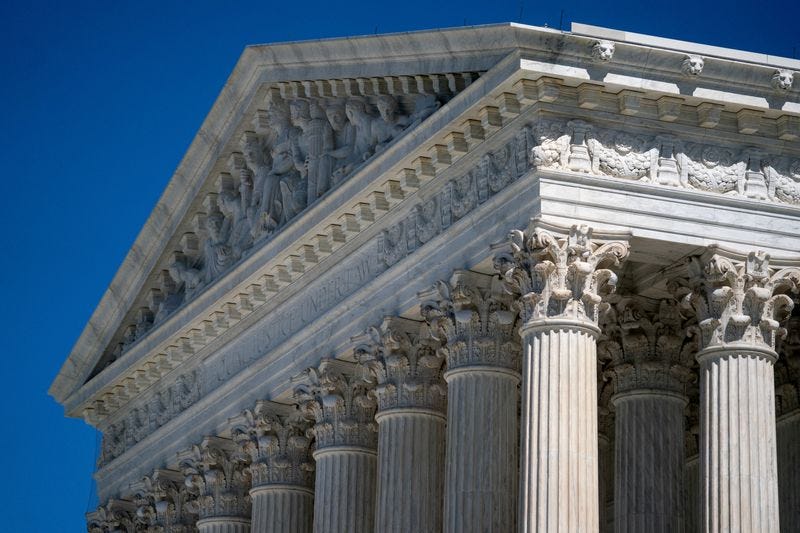
he U.S. Supreme Court on Tuesday rejected an emergency bid to reinstate the authority of immigration judges to shelve deportation proceedings, leaving in place a contentious legal settlement between the Trump administration and Texas that effectively halts the practice.
The justices issued the order without explanation, denying an application filed by several Democratic-led cities—including Baltimore, Columbus, and New Haven—alongside immigrant advocacy groups such as Centro Legal de la Raza. The challengers had sought to freeze a consent judgment signed off by U.S. District Judge Reed O’Connor, which invalidated a Biden-era rule that permitted judges to administratively close cases for vulnerable migrants, including neglected children and victims of violent crime.
Opponents characterized the agreement as “egregious collusion,” arguing that Texas filed the lawsuit and secured a binding consent decree with the Department of Justice on the exact same day to circumvent mandatory notice-and-comment rulemaking procedures under the Administrative Procedure Act. The Trump administration argued against the practice, describing administrative closure as a backdoor amnesty mechanism that stalled removals.
U.S. Solicitor General D. John Sauer urged the high court to reject the emergency petition, arguing that the cities and advocacy organizations lacked standing to intervene in a settlement that does not directly bind them. While the emergency request was rejected, the underlying appeal contesting the consent judgment remains pending before the 5th U.S. Circuit Court of Appeals.