

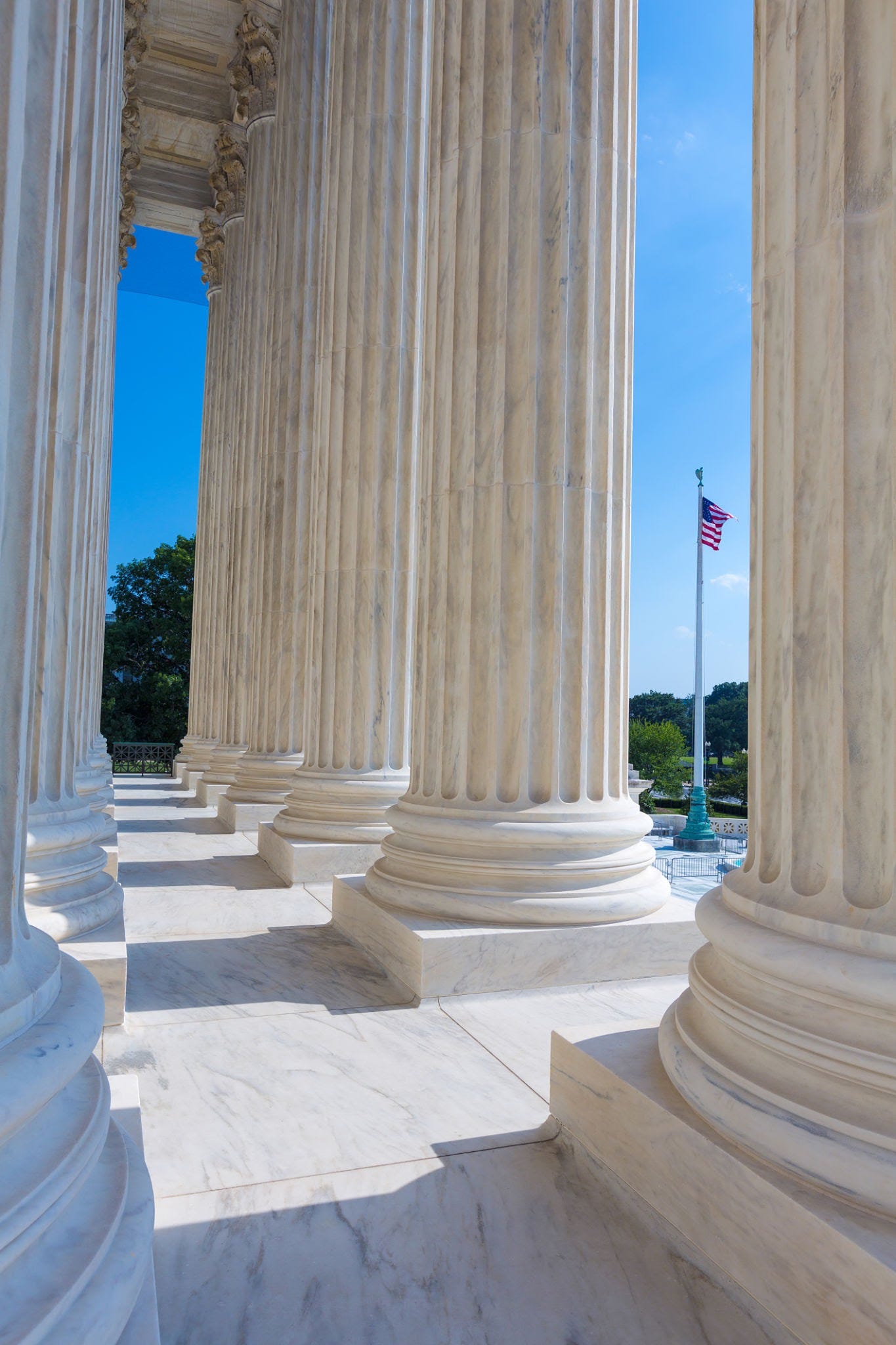
The U.S. Supreme Court on Friday delivered a major legal victory to the Trump administration, ruling that it can utilize a controversial federal database to verify the citizenship status of registered voters ahead of the upcoming November elections.
The emergency decision effectively reverses a lower court’s injunction that had temporarily blocked the Department of Homeland Security (DHS) from modifying its Systematic Alien Verification for Entitlements (SAVE) database for election purposes. The administration argued that restricting access to the tool would cause irreparable harm to election integrity, while civil rights groups warned the system is inherently flawed and will illegally disenfranchise eligible Americans.
The ruling clears the path for states to begin running their voter registration lists through the newly revamped federal system almost immediately.
An Unprecedented Use of SAVE
The legal battle centers around the SAVE database, a system originally designed decades ago for states to check the immigration status of individuals applying for government benefits, such as Medicaid or driver’s licenses.
Under a 2025 executive order, President Donald Trump directed DHS to overhaul and expand the database, explicitly transforming it into a sweeping tool to vet state voter rolls for potential noncitizens.
The Trump administration successfully argued to the justices that the SAVE modifications do not automatically disqualify any voters. Instead, they claimed the tool simply notifies state election officials whether the federal government can confirm a person’s citizenship, leaving the final decision up to the states. The administration insisted that without the updated system, DHS would be forced to rely on an older, “less reliable” version of the software during a critical election season.
Voting Rights Advocates Raise Alarms
Voting and privacy groups, led by the League of Women Voters, strongly opposed the emergency application, describing the revamped system as an “error-laden master citizenship database that endangers millions of Americans’ privacy and voting rights”.
Advocates have repeatedly warned that the SAVE system was never built to proactively check voter eligibility. They argue that when state registration lists are fed into the system en masse, naturalized citizens are disproportionately and falsely flagged as ineligible. Earlier this month, the D.C. Circuit Court of Appeals had agreed with the challengers, denying the administration’s request to pause the lower court’s injunction.
Friday’s Supreme Court intervention overrides that appellate decision, granting the Department of Justice’s request to stay the lower-court ruling while broader litigation continues to play out. The high court’s order guarantees that the database will remain available to state election officials through the critical final weeks of the campaign.