

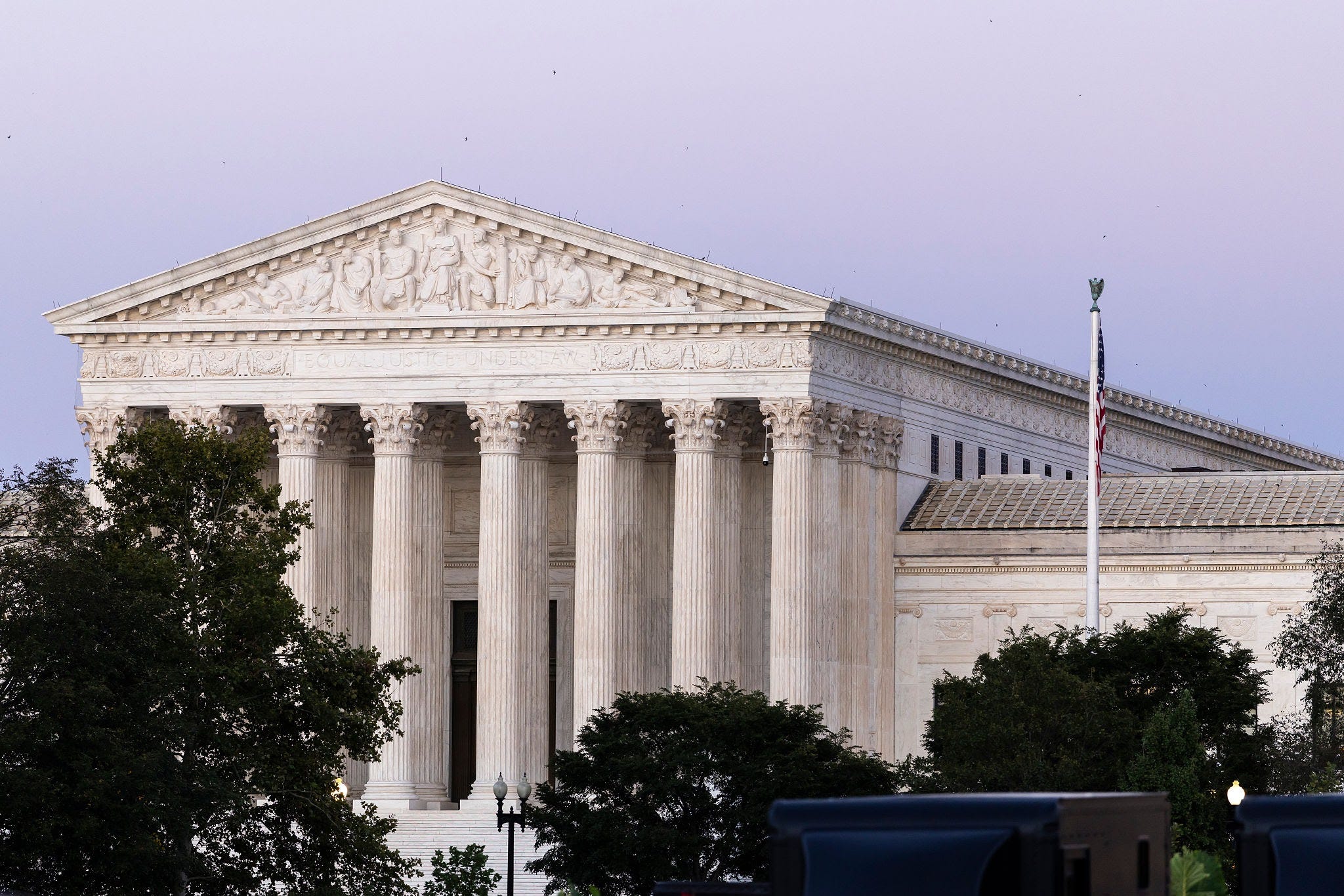
The U.S. Supreme Court on Monday rejected the Trump administration’s request to enforce sweeping new restrictions on mail-in ballots, leaving existing state systems in place as early voting for the 2026 midterm elections gets underway.
The brief, unsigned order denied the Justice Department’s emergency request to suspend a lower court injunction that had blocked the U.S. Postal Service (USPS) from implementing the new requirements. “The Government is unlikely to succeed on the merits of its challenge to the district court’s preliminary injunction,” the justices wrote.
Conservative Justices Samuel Alito and Clarence Thomas publicly dissented, with Alito arguing that the Postal Service “has broad authority to regulate the mail” and that the administration would likely prevail on appeal. Justice Brett Kavanaugh agreed that the restrictions should not take effect so close to the election, calling the timing “arbitrary and capricious,” but indicated he might side with the administration’s arguments at a later stage.
The Proposed Restrictions and Legal Backlash
The legal battle stems from an executive order signed by President Donald Trump in March, which sought to impose tighter federal controls on mail voting.
Under the proposed USPS rules, states would have been required to adopt a uniform envelope design and submit lists of eligible voters to a federal online portal. The Postal Service would have been authorized to reject ballots that did not comply with the new design standards or were linked to voters not found on the portal’s approved lists.
However, election officials and voting rights groups warned that implementing such a massive overhaul mere weeks before the midterms would be disastrous. A whistleblower report further alleged that the online portal had not been properly constructed, warning that a single barcode error could result in entire batches of legitimate ballots being discarded.
A coalition of Democratic-led states and civil rights organizations sued the administration, arguing that the president lacks the constitutional authority to dictate state election administration. Several lower federal courts agreed, issuing injunctions to halt the USPS rules. Federal Judge Indira Talwani in Boston noted that the measure likely violated the Constitution and that states would struggle to comply given the approaching deadlines.
Relief for Election Officials
With nearly one-third of the country expected to vote by mail this year, the Supreme Court’s refusal to intervene provides immediate relief to local election administrators.
Several states, including Alabama, North Carolina, and Wisconsin, have already begun mailing ballots to voters using their traditional systems. Voting rights advocates praised the decision as a critical victory against what they characterized as an attempt to disenfranchise voters and disrupt the election process.
While the Supreme Court’s ruling maintains the status quo for the current election cycle, the broader legal questions regarding the federal government’s authority to regulate state election mail remain unresolved.