

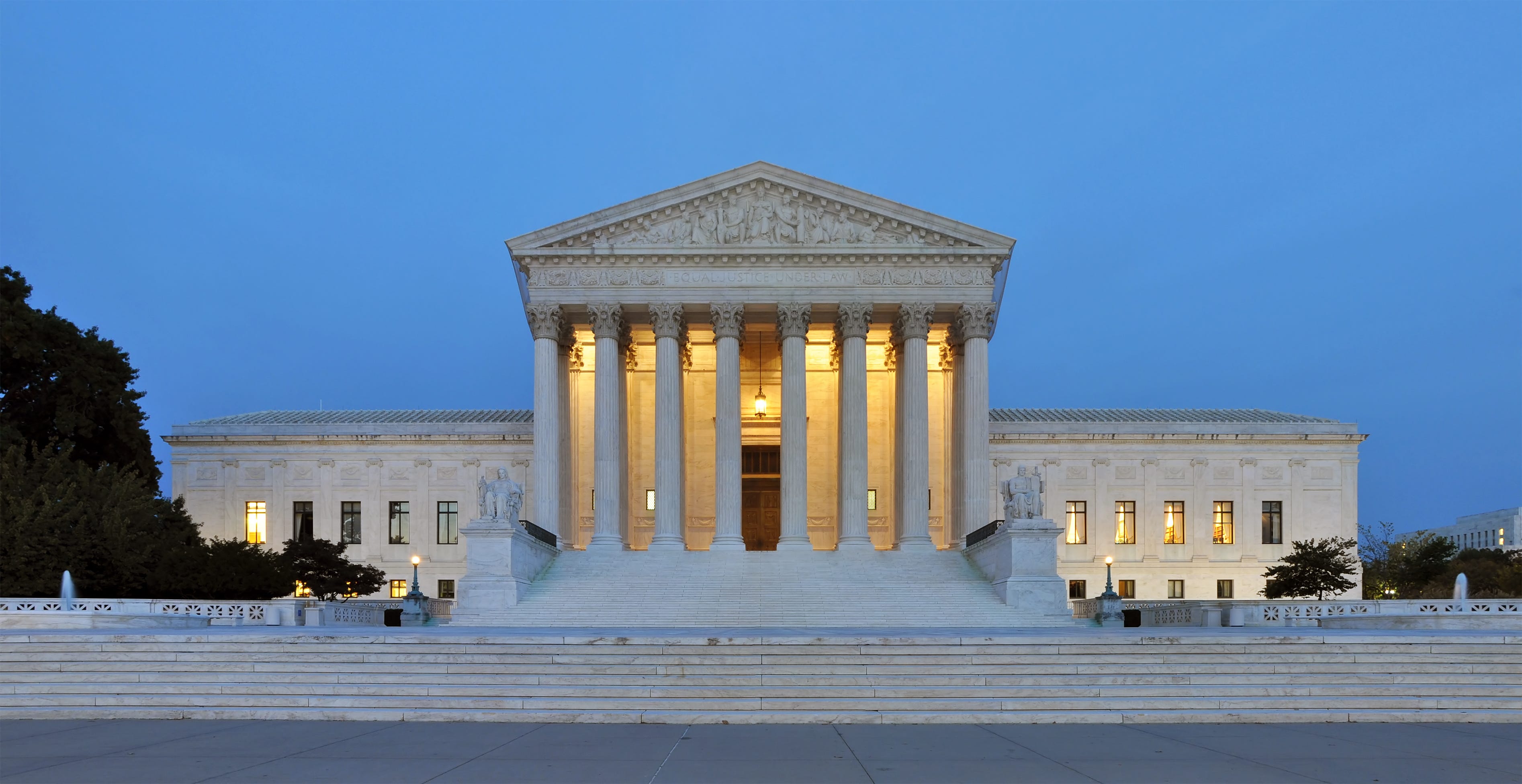
The United States Supreme Court has agreed to take up a massive legal battle over the Trump administration’s aggressive immigration enforcement policies, setting the stage for a landmark ruling on the rights of undocumented immigrants in federal custody.
The case, Rhoney v. Barbosa da Cunha, centers around a highly controversial Department of Homeland Security policy that imposes mandatory detention—without the possibility of a bond hearing—on noncitizens who are physically present in the United States without having been lawfully admitted. The central legal question is whether federal immigration law (specifically 8 U.S.C. § 1225) actually requires the government to hold these individuals in custody pending their removal proceedings.
The Trump administration’s sweeping reinterpretation of the statute effectively removed the option for millions of immigrants to seek release on bond while their cases wind through the backlogged immigration court system. According to the Justice Department, the law mandates detention for individuals classified as “applicants for admission,” which the administration argues includes anyone who crossed the border illegally, regardless of how long they have lived in the U.S.
The high court’s intervention comes after a deep and widening split among federal appeals courts. Earlier this year, the Second Circuit delivered a major blow to the administration, ruling against the government’s interpretation. In a scathing decision, the court refused to endorse what it characterized as the “broadest mass-detention-without-bond mandate in our Nation’s history,” ruling that immigrants living in the country cannot simply be swept into the same legal category as those arriving at a port of entry.
However, both the Fifth and Eighth Circuit Courts of Appeals have reached the exact opposite conclusion, siding entirely with the government and upholding the mandatory detention framework.
The Supreme Court is expected to hear oral arguments in the case during its upcoming October 2026 term. The ultimate ruling will have profound logistical and financial implications for U.S. Immigration and Customs Enforcement (ICE), potentially deciding whether the agency must radically expand its detention infrastructure to house millions of people, or continue granting custody redetermination hearings.