

Supreme Court Upholds Trump’s Immigration Policy, Revokes Parole for Over 500,000 Migrants
In a landmark decision on May 30, 2025, the U.S. Supreme Court delivered a significant victory for former President Donald Trump, allowing his administration to revoke humanitarian parole for over 500,000 migrants from Cuba, Haiti, Nicaragua, and Venezuela. This ruling effectively dismantles a key component of President Biden’s immigration policy, which had granted temporary legal status to these individuals under the CHNV (Cuba, Haiti, Nicaragua, Venezuela) parole program.
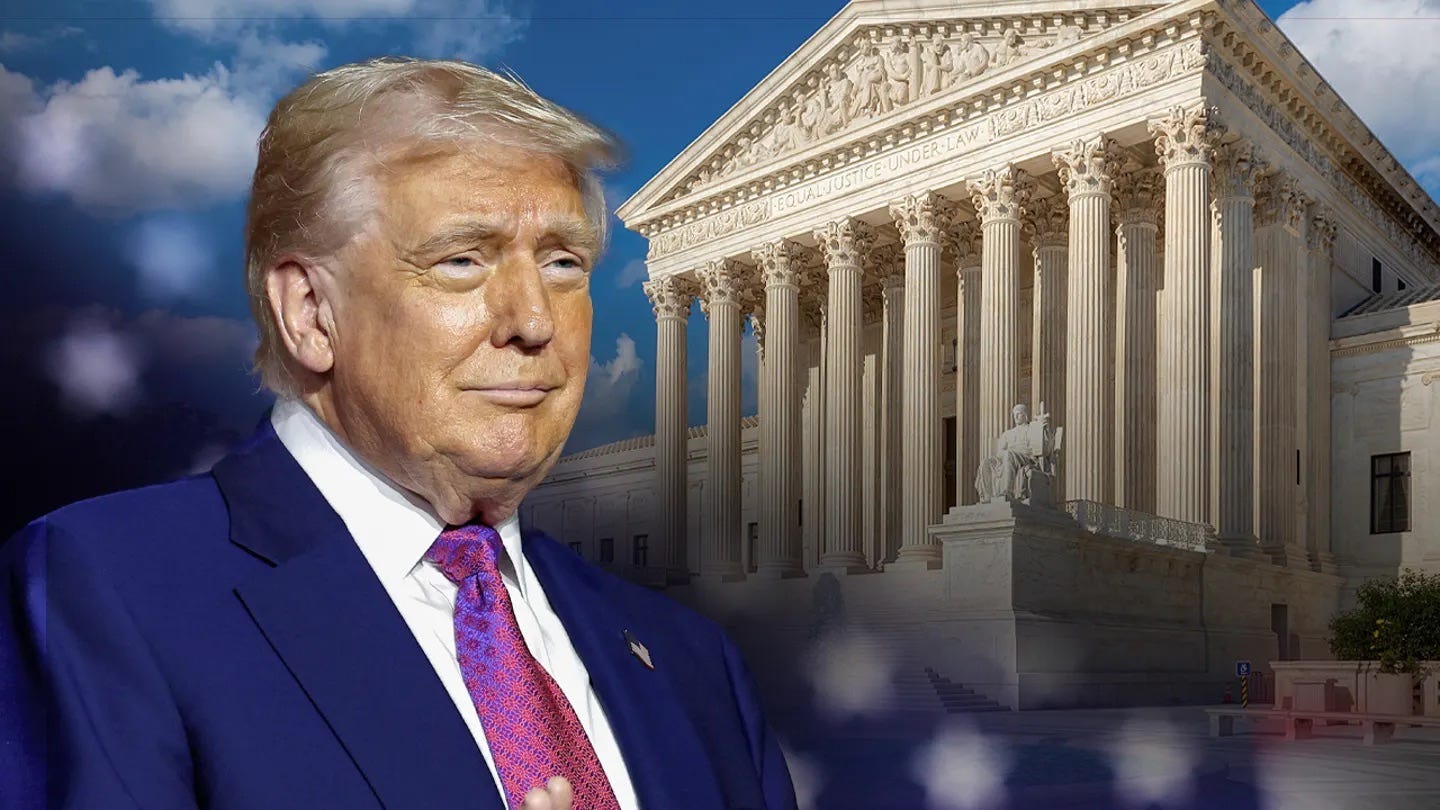
The Supreme Court’s decision overturns a lower court’s injunction that had previously blocked the mass revocation of parole, citing the need for individual case reviews. Justice Ketanji Brown Jackson and Justice Sonia Sotomayor dissented, expressing concerns over potential harm to migrants, including family separation and detention.
Conservative lawmakers and immigration advocates have long criticized the CHNV program, arguing that it was an overreach of executive authority and a misuse of the parole system. The program, initiated in 2022, allowed up to 30,000 vetted migrants per month to enter the U.S. with domestic sponsors, granting them temporary legal status. However, a 2024 fraud investigation led to a pause in the program, further fueling conservative concerns.
Gene Hamilton, vice president and general counsel of America First Legal, criticized the Biden administration’s handling of the program, stating that it amounted to “political theater.” He emphasized that the administration’s decision not to renew parole for these migrants was insufficient, as many could still remain in the U.S. through other means, such as applying for asylum or Temporary Protected Status (TPS).
The Department of Homeland Security, under President Trump, has pledged to track down and penalize unauthorized migrants who remain in the U.S., labeling the previous program an abuse of the parole system.
This Supreme Court ruling marks a pivotal moment in U.S. immigration policy, reinforcing the principle that humanitarian parole is a temporary measure and affirming the executive branch’s authority to enforce immigration laws. It also underscores the ongoing legal and political battles surrounding immigration policy in the United States.