

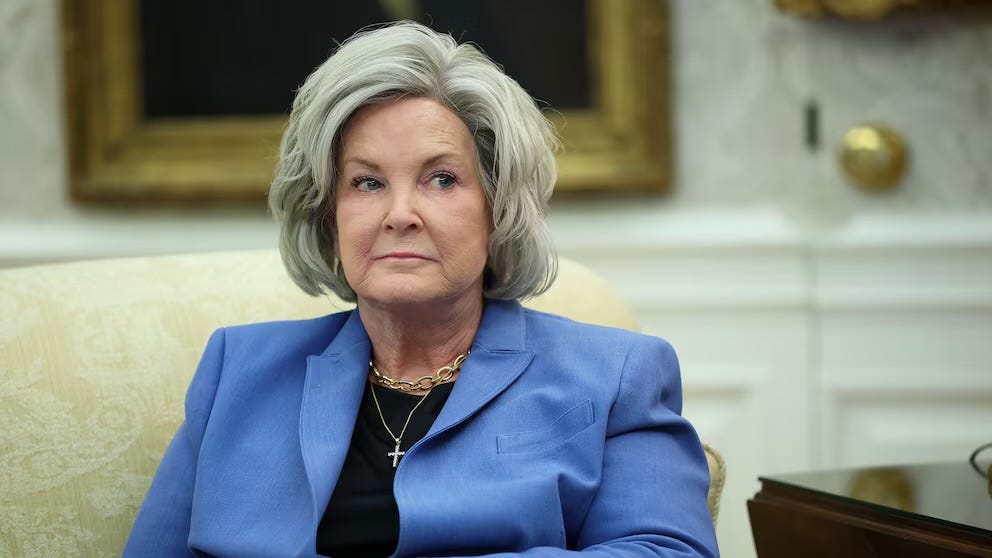
Katie Wiles, daughter of White House Chief of Staff Susie Wiles, has come under scrutiny because of her position at a Washington lobbying firm that represents Republika Srpska, the Serb-majority autonomous entity within Bosnia and Herzegovina whose leadership has cultivated close ties with Russia.
The Financial Times reported October 9 that Continental Strategy, where Katie Wiles is a partner, signed a contract to represent Republika Srpska for $35,000 per month. The arrangement has prompted questions about potential conflicts of interest given the firm’s connections to senior Republican political figures and the region’s efforts to influence U.S. policy.
The reporting does not establish that Katie Wiles personally lobbied U.S. officials on behalf of Republika Srpska. Her firm says her involvement was limited to strategic communications support for a separate U.S. company conducting a feasibility study in the region.
Firm says Katie Wiles did not lobby U.S. officials
Katie Wiles traveled to Republika Srpska in August for a two-day business trip, according to a statement from Continental Strategy. The firm said she was supporting a U.S.-based company that had been invited to conduct a feasibility study and had no role in the firm’s government contacts on behalf of the Bosnian Serb entity.
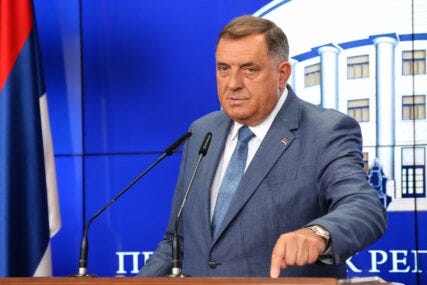
A spokesperson said Alejandro Garcia, a Continental Strategy partner and former deputy political director for Donald Trump’s 2024 presidential campaign, was the only team member who interacted with the U.S. government regarding Republika Srpska. The firm said those contacts were tracked and reported under applicable foreign-agent registration requirements.
A White House official told CBS News that Susie Wiles does not discuss work matters with her daughters. The reporting has not established that the chief of staff intervened in her daughter’s business activities or used her government position to benefit the lobbying firm.
White House meeting adds scrutiny
The issue has drawn additional attention because Susie Wiles met with Željka Cvijanović, a senior Republika Srpska political figure and ally of Milorad Dodik, at the White House in September.
According to CBS News, the meeting was arranged by Garcia, not Katie Wiles. The distinction is significant because the firm says Garcia was responsible for its U.S. government contacts concerning Republika Srpska.
The meeting occurred amid broader scrutiny of efforts by political consultants connected to Trump to build relationships with leaders in the Balkans.
The New York Times has separately reported that Republican strategists Chris LaCivita and James Blair traveled to the region in connection with the political activities of Dodik’s party. Their work has generated questions about the relationship between U.S. political consulting, foreign clients and American foreign policy.
Those activities are separate from Katie Wiles’s stated role, and the available reporting does not establish that she participated in the strategists’ political work.
Who is Milorad Dodik?
Dodik is the influential Bosnian Serb nationalist leader whose political movement has pushed for greater autonomy for Republika Srpska and has maintained close relations with Russian President Vladimir Putin.
Republika Srpska is one of two principal entities within Bosnia and Herzegovina, a country whose complex political structure was established under the 1995 Dayton peace agreement following the Bosnian war.
Dodik has faced international criticism over actions viewed by opponents and foreign officials as undermining Bosnia’s central institutions. His political movement has also sought to improve its standing in Washington through lobbying and relationships with U.S. political figures.
The region’s political direction has implications for stability in the Western Balkans, where tensions over sovereignty, ethnic identity and the authority of national institutions remain sensitive issues. The Associated Press reported this week that nationalist parties gained ground in Bosnia’s latest elections, renewing concerns about political instability and the country’s European integration prospects.
Foreign lobbying and political connections under examination
Continental Strategy’s work for Republika Srpska is part of a broader effort by the entity’s leadership to influence U.S. policy through professional lobbying firms and political consultants.
Foreign-agent registration filings cited by CBS News show that the firm registered to represent Republika Srpska in early 2026. The firm has said its contacts with U.S. officials were handled by Garcia and reported in accordance with the law.
The controversy also comes amid debate over the Trump administration’s approach to the Balkans, including its decision to lift sanctions against Dodik and other Bosnian Serb officials in 2025. Administration officials have said the sanctions decision was intended to reduce instability in the region.
Critics have questioned whether lobbying by Trump-connected political figures influenced policy decisions. Those questions remain distinct from the evidence concerning Katie Wiles’s role, and the reporting does not establish that she influenced the administration’s sanctions policy.
Questions remain about transparency and potential conflicts
The case highlights the scrutiny that can arise when relatives of senior government officials work for firms representing foreign political interests.
The central issues include whether lobbying contacts are properly disclosed, whether government decisions are insulated from private interests and whether the public has sufficient information to evaluate potential conflicts.
For now, Continental Strategy maintains that Katie Wiles did not lobby U.S. officials on behalf of Republika Srpska, while the White House says Susie Wiles keeps her government responsibilities separate from her daughters’ professional activities.
The broader debate over foreign lobbying and the influence of political networks is likely to continue as more details emerge about the firm’s work and the Trump administration’s relationship with Republika Srpska.