

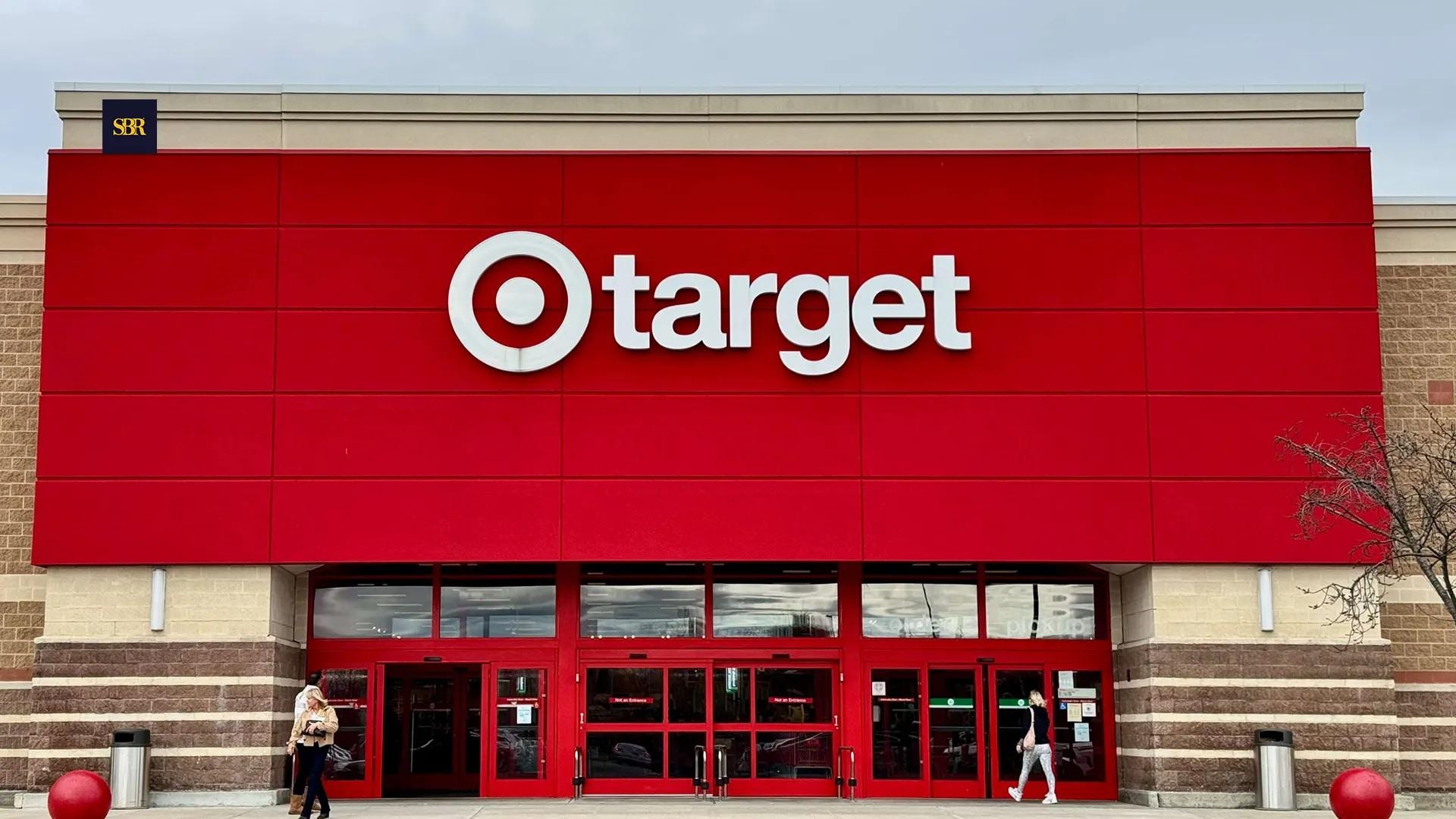
The company announced Wednesday that third-quarter sales increased 7.1% to approximately $27.07 billion, exceeding Wall Street expectations and marking another important milestone in its turnaround strategy.
The stronger-than-expected performance prompted Target to raise its full-year financial outlook for the third time this year, offering renewed confidence as American retailers enter the critical holiday shopping season.
Target reported earnings of $2.65 per share, compared with $1.51 during the same period last year. Revenue also exceeded analyst expectations of approximately $26.56 billion.
The results suggest that investments in merchandise selection, competitive pricing, store improvements and faster delivery are beginning to attract more customers.
Customer Traffic and Online Sales Drive Growth
One of the most encouraging developments for Target was the increase in customer traffic.
Comparable sales, which measure sales at established stores and digital channels, increased 5.6% during the quarter. Customer traffic rose 5%, indicating that more shoppers are returning to Target rather than growth being driven exclusively by higher prices.
Digital comparable sales climbed 9.8%, while sales at physical stores increased 4.6%.
The online performance highlights the importance of Target’s expanded same-day delivery services and digital shopping infrastructure as competition from Walmart and Amazon continues to intensify.
Target executives believe improvements across multiple business categories are helping rebuild customer loyalty.
Chief Executive Officer Michael Fiddelke said the results demonstrate that customers are responding to changes in the company’s merchandise selection and overall shopping experience.
Price Cuts and New Products Strengthen Target’s Position
Target has been working to regain its reputation for offering affordable products while maintaining its appeal as a destination for fashionable merchandise and household essentials.
The retailer has reduced prices on thousands of products, attempting to attract budget-conscious consumers facing persistent inflation and higher household expenses.
Its strategy is particularly important as American consumers remain selective about discretionary spending.
The company’s latest results showed encouraging growth across several merchandise categories:
Toys and electronics: Sales in the Fun 101 category increased nearly 27%.
Beauty: Sales climbed more than 9%.
Food and beverages: Sales increased nearly 7%.
Digital commerce: Comparable online sales grew 9.8%.
Target has also invested in new merchandise, exclusive products and improved store experiences to differentiate itself from competing retailers.
The company is betting that a combination of competitive prices and more attractive product offerings will encourage shoppers to spend more frequently at its stores.
Target Raises Full-Year Financial Guidance
Following the stronger quarterly performance, Target increased its expectations for the remainder of fiscal 2026.
The company now anticipates full-year net sales growth of approximately 6%, an improvement of one percentage point from its previous forecast.
Its updated earnings guidance also reflects growing confidence in the business.
Target’s Updated Financial Outlook
Q3 net sales
$27.07B
Up 7.1% year over year
Q3 earnings per share
$2.65
Versus $1.51 last year
Full-year sales growth forecast
~6%
Raised from ~5%
Full-year EPS guidance
$10.65–$11.40
Previously $9.90–$10.90
Source: Target’s November 18, 2026 earnings announcement. EPS guidance includes approximately $2.14 per share in tariff refund benefits recognized through October 31.
The company also expects its full-year operating margin rate to reach approximately 6.2%, supported in part by tariff refund benefits.
These refunds are an important consideration when evaluating the underlying improvement in profitability. Excluding the third-quarter tariff refund benefit, adjusted earnings per share still increased approximately 21% year over year.
Holiday Shopping Season Could Determine the Next Phase of Target’s Recovery
The stronger results arrive at a critical moment for Target as retailers prepare for the busiest shopping period of the year.
The company is counting on holiday merchandise, competitive pricing and expanded digital services to sustain its momentum.
Target plans to offer more than 8,000 new gift products this holiday season, with thousands priced at $5 or less. It is also promoting affordable Thanksgiving offerings, early Black Friday discounts and daily promotions through December 24.
The retailer is particularly focused on attracting consumers who want recognizable brands and quality products without paying premium prices.
However, the recovery is not uniform across all merchandise categories.
Apparel and Home Décor Remain Major Challenges
Despite the positive quarterly performance, Target continues to face difficulties in two important parts of its business: clothing and home décor.
Apparel sales declined 3.8% during the quarter, while home décor sales increased only 2.5%.
Together, these categories represent approximately 30% of Target’s merchandise sales, making their recovery important to the company’s long-term profitability.
Management acknowledges that improving these areas will require better product selection, stronger merchandising and a clearer understanding of changing consumer preferences.
The company is also facing intense competition from Walmart, Amazon and other retailers fighting for customers who increasingly prioritize affordability.
Target Plans Billions in Additional Investments
Target is continuing to invest heavily in its long-term transformation.
After spending approximately $5 billion on capital investments in 2026, the company expects capital expenditures to reach between $5 billion and $6 billion in 2027.
The investments will support store renovations, technology improvements, supply-chain capabilities and enhanced shopping experiences.
Under CEO Michael Fiddelke, who took over leadership earlier this year, Target is attempting to reverse several years of disappointing performance and restore its competitive position in American retail.
The company’s stock has also gained approximately 60% year to date, reflecting improving investor confidence in its turnaround efforts.
A Promising Recovery, but Challenges Remain
Target’s latest earnings report provides encouraging evidence that its turnaround strategy is gaining traction.
Higher customer traffic, stronger online sales and improved performance across several merchandise categories suggest that shoppers are responding to the company’s changes.
Nevertheless, the retailer must demonstrate that its growth is sustainable and not overly dependent on temporary financial benefits such as tariff refunds.
The upcoming holiday season will be an important test of whether Target can maintain its momentum and translate stronger customer engagement into lasting profitability.
For American consumers, the company’s renewed emphasis on affordability could provide additional competition in a retail market where household budgets remain under pressure.
For investors, Target’s latest results offer a reason for optimism, although the company’s ability to revive apparel and home décor sales will remain an important measure of its long-term recovery.