

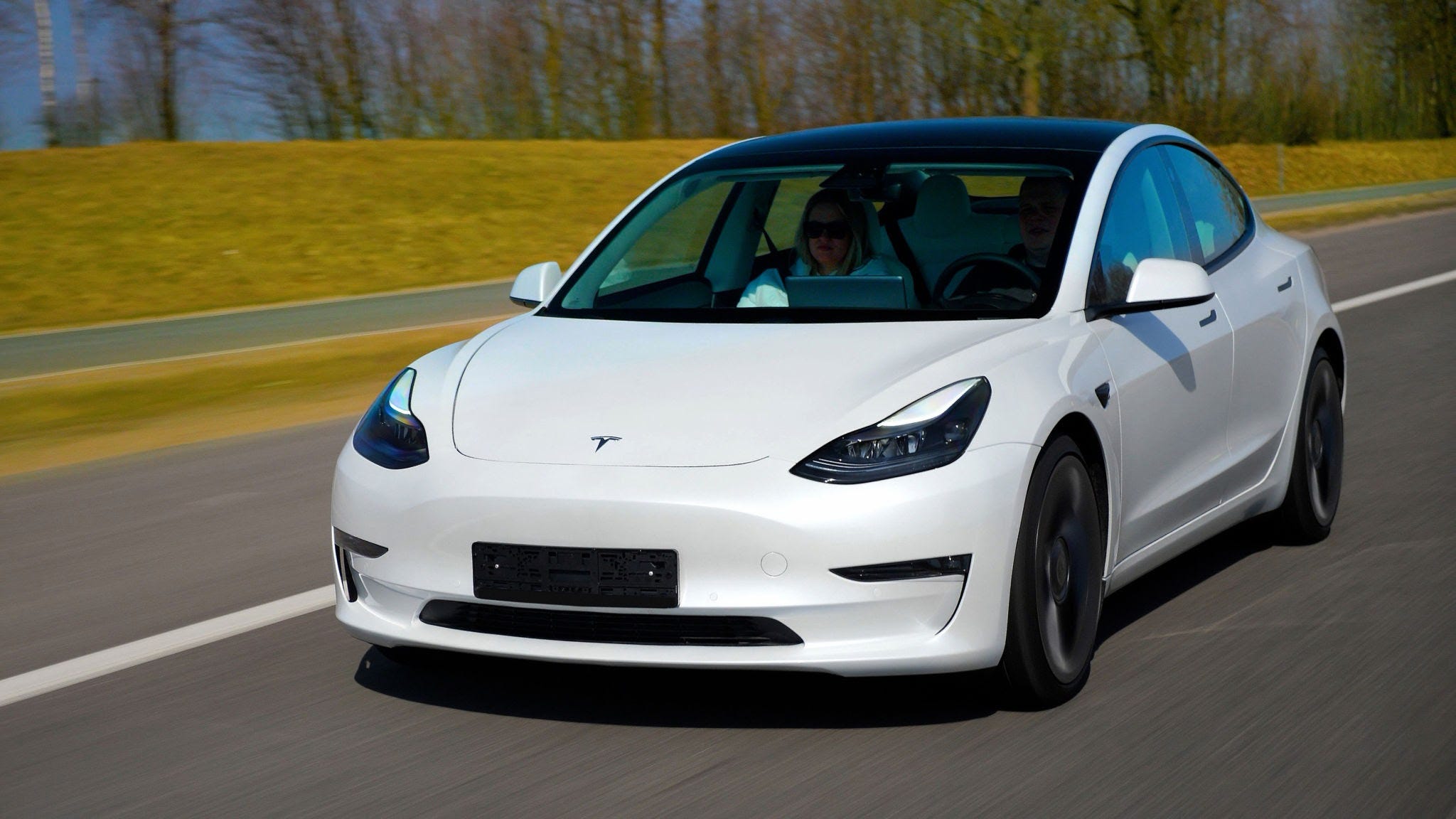
Tesla’s Full Self-Driving (FSD) system is facing renewed scrutiny in Europe after a Belgian road safety group revealed the software frequently ignored speed limits and attempted illegal maneuvers around cyclists during recent testing.
The findings, published by the safety NGO Johanna.be, stem from approximately 400 kilometers of testing conducted around Brussels in July. While the system demonstrated some positive traits, the report highlights significant blind spots in FSD’s ability to interpret and adhere to local European traffic regulations.
Speeding Through School Zones
The most glaring issue identified during the tests was the system’s chronic inability to recognize and obey 30 km/h (18.6 mph) speed limits.
According to the report, the FSD software exceeded the legal limit in the vast majority of the 30 km/h zones tested, averaging a speed of 44 km/h. Even more concerning, while the vehicle’s internal screen showed that its cameras had successfully recognized the physical 30 km/h roadside signs, the system’s interface frequently displayed an incorrect overriding limit of 50 km/h.
“It is akin to a passenger constantly reassuring the driver that the speed limit is 50 km/h in nearly every 30-zone through which they pass,” the safety group noted in its report.
The testing team also captured video footage of the FSD-enabled Tesla attempting to overtake cyclists on designated “cycle streets,” where such passing maneuvers are strictly prohibited under Belgian traffic law.
A Mixed Review Ahead of EU Vote
Despite the traffic violations, Johanna.be’s report wasn’t entirely critical. The group noted that the FSD system generally “behaved cautiously and courteously around pedestrians and cyclists, often yielding proactively”. However, the NGO concluded that these baseline safety behaviors do not excuse the software’s failure to comply with established traffic codes.
The timing of the report is precarious for Tesla. Johanna.be has forwarded its findings to the Flemish transportation ministry and the Dutch regulator RDW, urging both bodies to reassess their initial approvals of the technology. The European Union is reportedly scheduled to vote on broader FSD regulatory approvals as early as October 6.
Xavier Lesenne, a spokesperson for the Flemish government’s transportation ministry, defended the ongoing trials, describing FSD as “a learning system that continuously processes new and additional information” while reminding the public that human drivers remain “100% responsible” for the vehicle’s actions.
Tesla, which does not operate a traditional public relations department, recently published its own data study claiming that FSD-equipped vehicles generally travel at safe speeds consistent with surrounding traffic flow and do not speed excessively.