

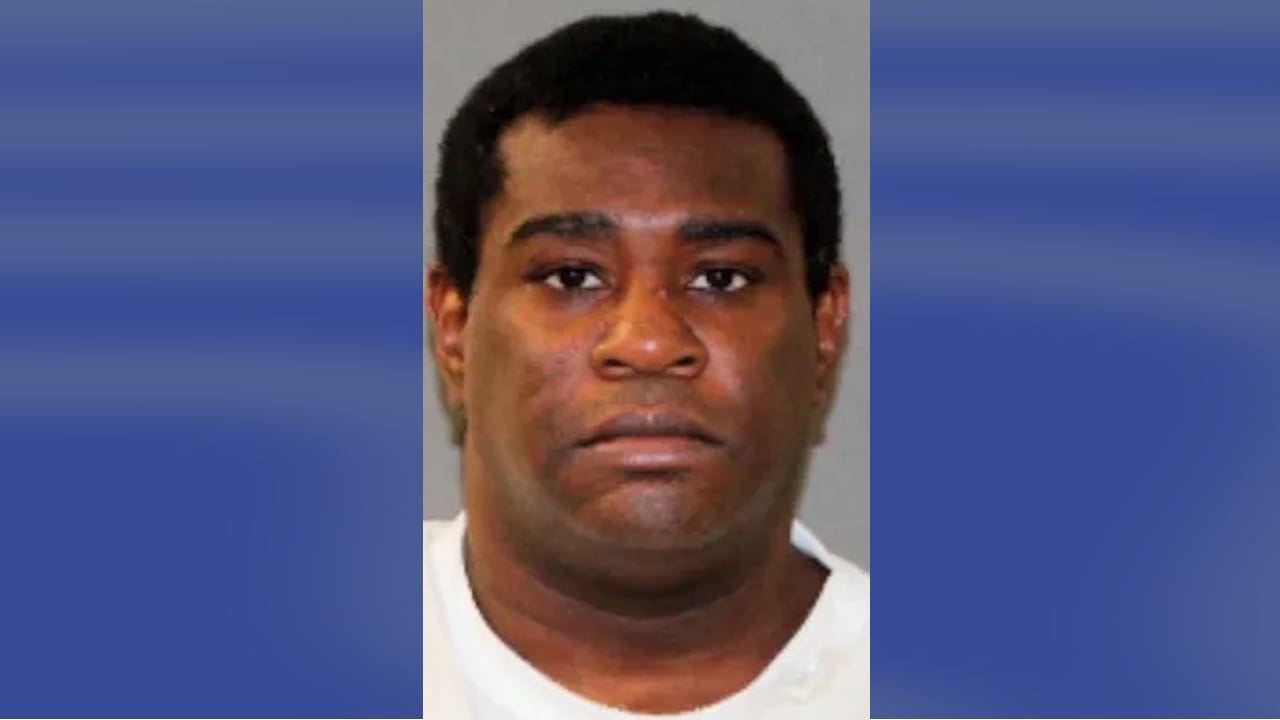
Texas carried out the execution of Jamaal Howard on Wednesday evening, making him the first person put to death in the United States since Tennessee’s failed attempt to execute Christa Pike last week.
Howard, 46, was pronounced dead at 8:03 p.m. at the state prison in Huntsville after receiving a lethal dose of pentobarbital. His execution was the 30th carried out in the United States this year.
The execution came under heightened scrutiny because Howard’s attorneys had asked courts to stop it, arguing that the recent failure in Tennessee raised questions about the safety and reliability of the lethal-injection process.
Lawyers Cited Pike’s Failed Execution
Howard’s attorneys argued that Texas was using the same drug involved in Pike’s attempted execution: pentobarbital.
Pike, 50, survived two injections at Tennessee’s Riverbend Maximum Security Institution on Sept. 30. Her attorneys have alleged that problems with the IV access and potentially degraded execution drugs prevented the medication from working as intended. Pike was eventually taken to a hospital and, according to her lawyers, later regained consciousness and was speaking.
Howard’s lawyers argued that Texas could face similar problems with its supply of pentobarbital and asked the courts for additional information about the state’s execution drugs.
The Texas Court of Criminal Appeals rejected the request, while the U.S. Supreme Court also declined to intervene, clearing the way for the execution.
Howard Apologized to Victim’s Family
Howard was convicted of capital murder in the 2000 killing of convenience-store clerk Vickie Swartout in Silsbee, Texas.
According to court records and trial evidence, Howard was 20 when he robbed the store and shot Swartout once in the chest. Surveillance footage of the shooting was presented at trial. He took approximately $114 and a carton of cigarettes.
Before the execution began, Howard apologized to Swartout’s relatives, who were watching from a nearby viewing area.
“I wish that you accept my apology and I wish for your forgiveness,” Howard said, according to the Associated Press.
Texas Department of Criminal Justice spokesperson Amanda Hernandez said Howard had been engaged and talkative during the trip from death row to the Huntsville execution facility.
Attorneys Also Raised Intellectual-Disability Claim
Howard’s legal team pursued multiple avenues to stop the execution.
His attorneys argued that he was intellectually disabled and therefore constitutionally ineligible for execution. The U.S. Supreme Court ruled in 2002 that executing people with intellectual disabilities violates the Constitution, although states retain discretion in determining whether an individual meets the legal criteria.
Texas prosecutors argued that Howard had not presented sufficient evidence to establish such a claim.
The Supreme Court ultimately allowed the execution to proceed.
Pike’s Case Has Put Executions Under Scrutiny
Howard’s execution came just days after Pike’s extraordinary experience in Tennessee.
Pike was convicted of the 1995 torture and murder of 19-year-old Colleen Slemmer, a fellow student. She was 18 when the crime occurred and had spent decades on death row.
Pike was scheduled to become the first woman executed by Tennessee in more than 200 years. Instead, two rounds of pentobarbital failed to kill her.
Witnesses reported that Pike remained alive for more than an hour after the first injection. She complained of pain in her arm and could be heard breathing after the execution chamber’s curtain was closed. She was ultimately transported to a hospital.
Her lawyers have described the episode as “chemical torture” and are seeking to have her death sentence commuted to life imprisonment.
Tennessee Gov. Bill Lee, a Republican, suspended the state’s remaining executions for 2026 and ordered an independent review of what went wrong.
Debate Over Lethal Injection Continues
Pike’s failed execution has renewed questions about the reliability of lethal injection, the condition and sourcing of execution drugs, and the medical procedures used by states to carry out death sentences.
Most U.S. states that retain capital punishment use lethal injection as their primary execution method.
Texas has now carried out six executions in 2026 and has two additional executions scheduled later this year. Florida has conducted the most executions nationally this year, with 16, according to current reporting.
Howard’s execution therefore represents more than another entry in the nation’s annual execution count. It also became the first major test of the lethal-injection process since Pike’s failed execution brought renewed national attention to the risks surrounding capital punishment.
For now, Texas officials say Howard’s execution was completed as planned, while Tennessee continues investigating why Pike’s execution failed.