

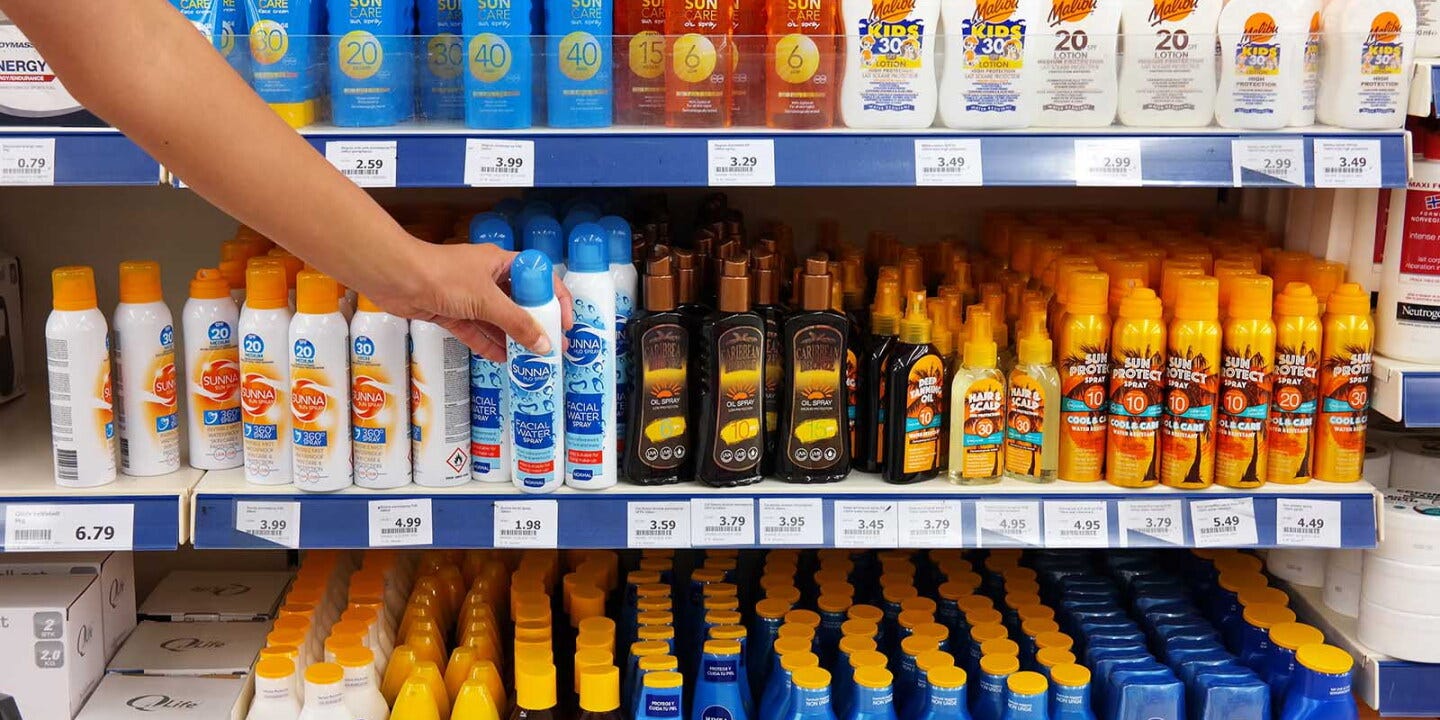
or the first time in over a quarter-century, American consumers have a brand-new option in the suncare aisle. The Food and Drug Administration (FDA) has officially approved bemotrizinol—commonly known as BEMT—a new active chemical sunscreen ingredient that is now making its way to U.S. store shelves in products from major brands like Neutrogena.
A Long-Awaited Solution to Sunscreen Flaws
For years, Americans have been caught between two imperfect choices. Mineral sunscreens, while effective, often leave an unwanted, chalky white streak on the skin. Older chemical sunscreens, like avobenzone, blend in seamlessly but have a tendency to degrade quickly when exposed to sunlight.
Dermatologists are celebrating the arrival of BEMT because it effectively bridges this gap. It provides robust, broad-spectrum protection against both UVA and UVB rays without the cosmetic drawbacks of mineral formulas or the rapid breakdown issues associated with older chemical filters. Dr. Jennifer Stein of NYU Langone Health notes that products featuring BEMT offer an excellent alternative for individuals who dislike the heavy, streaky textures of traditional American sunscreens.
Safety Profile and Blood Absorption
The FDA’s decision came after an extensive review of safety studies involving over 500 patients. The research, spearheaded by Dutch manufacturer DSM Nutritional Products, led the FDA to designate BEMT as “generally recognized as safe and effective.”
A key factor in its approval is its large molecular size, which results in minimal skin penetration. This is a crucial distinction in today’s regulatory climate. Just last month, the FDA revoked its approval of oxybenzone—a long-used sunscreen chemical—after concluding that it absorbed too heavily into the human bloodstream. BEMT successfully avoids this systemic absorption issue.
While European regulators—who have utilized the ingredient for decades—have cited “limited evidence of environmental toxicity,” longer-term ecological research is still ongoing. In the meantime, dermatologists continue to emphasize that sunscreen is just one component of a comprehensive sun protection strategy, reminding consumers that consistent reapplication remains essential regardless of the formula used.