

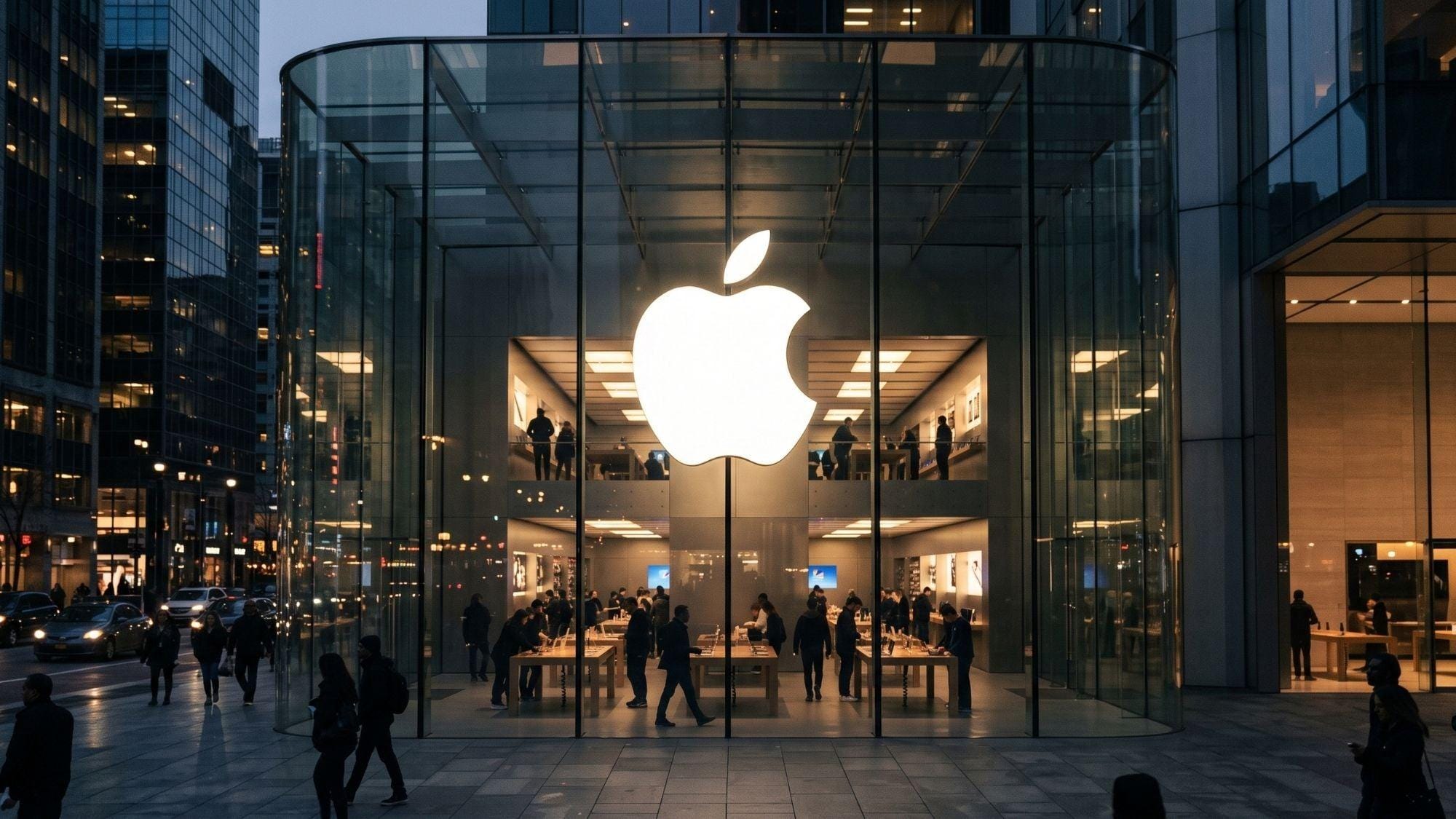
Apple Outage Disrupts Multiple Services
Apple customers experienced widespread technical problems on Tuesday, November 17, 2026, after an internal company update triggered disruptions affecting several of the technology giant’s most widely used services.
Thousands of users reported difficulties accessing Apple platforms, including iCloud, Apple Pay, the App Store, Apple Music, and Apple Support.
The disruption affected customers attempting to sign in to their accounts, download applications, access cloud-based information, and complete digital transactions.
Reports submitted to Downdetector surged throughout the day, with users describing problems across multiple Apple products and services.
Apple acknowledged the disruption and confirmed that an internal update was responsible for triggering the technical problems.
In a statement, the company said many of its systems had already been restored and that engineering teams were working to bring the remaining affected services back online.
The incident created frustration among customers who depend on Apple’s interconnected ecosystem for communication, entertainment, payments, and everyday business activities.
iCloud and Apple Account Sign-In Problems Frustrate Users
One of the most significant areas affected by the outage involved Apple’s iCloud services and account authentication systems.
Users reported difficulties signing into their Apple accounts, accessing stored information, and synchronizing data across their devices.
For customers who rely on iCloud to store photographs, documents, contacts, and other personal information, the disruption created concerns about access to important digital content.
Some iPhone and Mac users also reported unexpected sign-outs and difficulties completing account verification when attempting to reconnect.
Apple’s system status page identified problems involving iCloud Account and Sign In, iCloud Mail, and iCloud web applications.
The disruption demonstrated how a problem affecting centralized account systems can interfere with multiple products throughout Apple’s ecosystem.
Even when individual devices remain operational, problems with Apple’s authentication infrastructure can prevent customers from accessing services that require an active account connection.
Apple Pay and App Store Customers Also Experience Problems
The outage extended beyond cloud storage and account access.
Customers also reported difficulties using Apple Pay, Apple’s digital payment platform, which allows users to make purchases through compatible iPhones, Apple Watches, and other devices.
Some customers experienced problems completing transactions, while others encountered difficulties accessing Apple-related payment services.
The App Store also experienced interruptions, affecting customers attempting to browse, purchase, and download applications.
Apple Music and AppleCare services were among the other platforms identified as experiencing technical difficulties.
The problems were particularly frustrating because Apple’s services are closely integrated across its devices.
A disruption involving one part of the ecosystem can affect several everyday activities, from downloading an application to accessing stored information or completing a digital purchase.
Although outage reports eventually began declining, Apple’s engineering teams continued working to restore affected services.
Apple Blames Internal Software Update for Disruption
Apple attributed the incident to an internal software update that caused problems across several of its systems.
The company said it had already restored many services and was working to bring the remaining affected platforms back online.
Importantly, Apple indicated that the outage was not caused by a cyberattack.
The explanation suggests the disruption resulted from an internal technical problem rather than confirmed malicious activity against the company’s infrastructure.
Software updates are essential for maintaining security, improving performance, and introducing new capabilities. However, changes involving interconnected systems can sometimes produce unexpected problems.
For a company operating services used by hundreds of millions of people, even a relatively limited internal issue can have consequences across a large customer base.
Apple has not publicly provided a complete technical breakdown of the update or identified every system affected by the incident.
Apple Outage Comes After a Series of Major Technology Failures
The Apple disruption comes during a particularly difficult week for the technology industry, following several other outages affecting major American companies and critical infrastructure.
Microsoft experienced widespread service problems involving Outlook and Microsoft 365, disrupting access to email, collaboration tools, and other workplace applications.
The Federal Aviation Administration also experienced a communications failure that resulted in a nationwide ground stop, delaying and canceling flights across the United States.
On Monday, JPMorgan Chase customers reported problems accessing banking services, while United Airlines experienced a separate technical disruption that delayed flights.
The latest Apple outage added another major technology company to the growing list of organizations dealing with service interruptions.
Although the incidents have occurred within a relatively short period, there is no confirmed evidence establishing that they are connected or part of a coordinated cyberattack.
The companies and government agencies involved have generally attributed their respective problems to technical failures, software issues, or infrastructure disruptions.
Cybersecurity and Infrastructure Concerns Continue to Grow
The increasing frequency of technology disruptions has renewed questions about the reliability of digital infrastructure used by businesses, government agencies, and millions of consumers.
Modern technology companies operate complicated networks involving cloud computing, data centers, authentication systems, telecommunications infrastructure, and interconnected software platforms.
These systems allow customers to access services almost instantly, but they also create dependencies that can make technical failures more disruptive.
Cybersecurity experts have warned that organizations must balance rapid technology development with proper testing, maintenance, and infrastructure protection.
While the Apple incident has not been attributed to a cyberattack, it highlights how internal software problems can still interrupt essential services on a large scale.
The incident also reinforces the importance of having backup systems and effective recovery procedures when critical technology platforms experience unexpected failures.
What Happens Next for Apple Customers?
Apple’s immediate priority is ensuring that all affected services return to normal operation and that customers can reliably access their accounts and applications.
The company has already reported that many systems recovered following the internal update, although some services continued experiencing problems during the restoration process.
Customers experiencing difficulties can monitor Apple’s official System Status page for service updates and confirmation that individual platforms have returned to normal operation.
The company may also review its internal update procedures to reduce the possibility of similar disruptions in the future.
For Apple, the incident represents another reminder of the responsibility that comes with operating one of the world’s largest technology ecosystems.
For customers, the outage demonstrates how dependent everyday activities have become on digital services that many people once considered almost impossible to interrupt.
As technology companies continue expanding their cloud platforms and interconnected services, maintaining reliability will remain just as important as introducing new features and innovations.
The latest Apple outage may have been caused by an internal software update rather than a cyberattack, but its impact highlights the growing importance of dependable digital infrastructure in everyday life.