

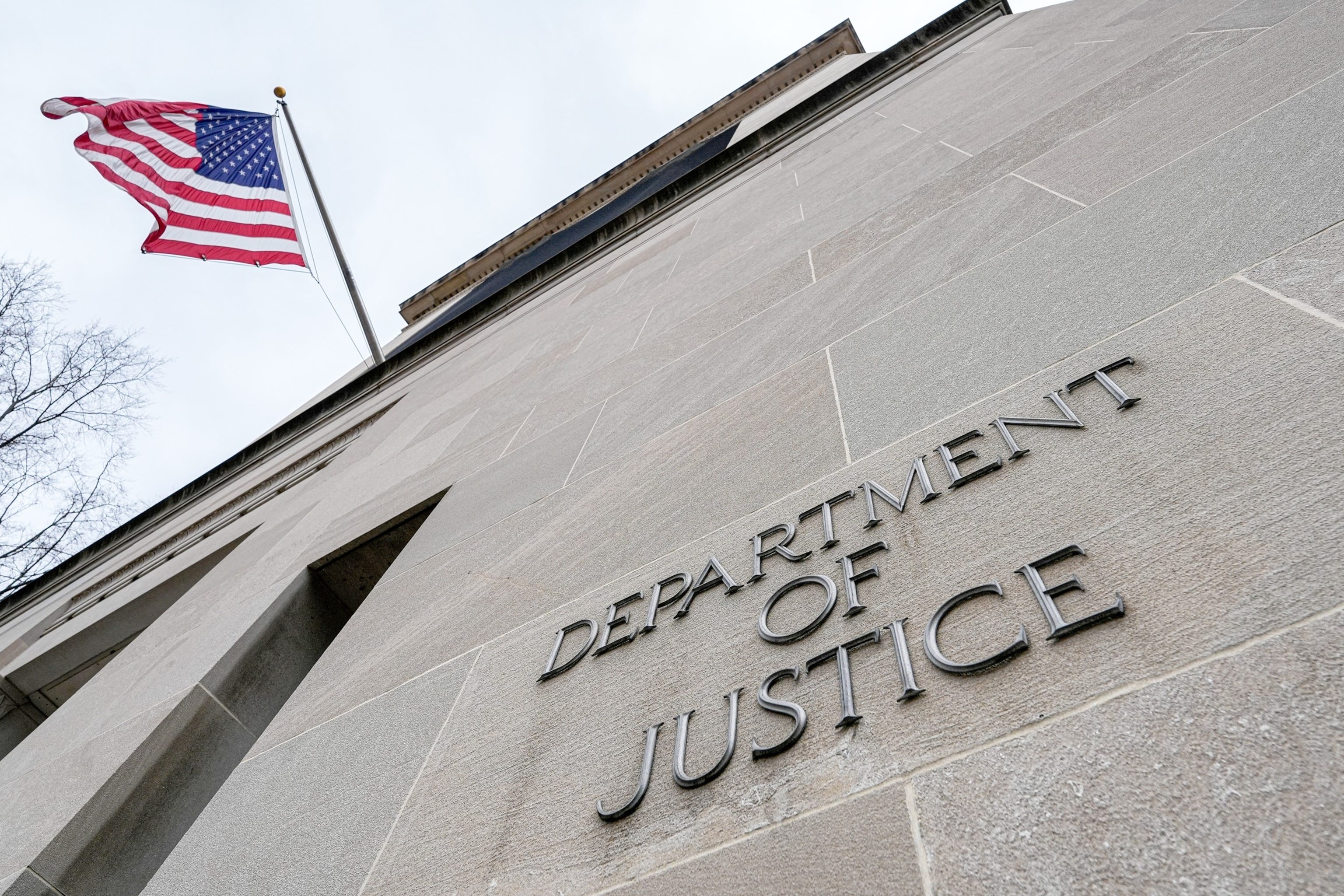
Jason Reding Quiñones, the U.S. Attorney for the Southern District of Florida, has abruptly resigned, marking yet another high-profile departure from a Justice Department currently embroiled in political turmoil following the 2026 midterm elections.
Until his resignation, Quiñones had been overseeing a highly controversial “grand conspiracy” investigation heavily promoted by President Donald Trump. The sweeping probe was designed to target former federal intelligence and law enforcement officials—including former CIA Director John Brennan—over their statements and actions during the initial inquiries into Russian interference in the 2016 election.
Despite intense pressure from the White House, the investigation has failed to produce the type of sweeping, high-level indictments that the president and his allies have long demanded. The probe has subsequently suffered from a massive leadership drain. Just recently, Joseph DiGenova, a fierce Trump loyalist who was explicitly tapped to oversee the conspiracy investigation, resigned following a heated dispute with DOJ leadership over the sluggish pace of the inquiry.Subpoenas for grand jury testimony related to the probe have also reportedly been delayed until next year.
Quiñones’ exit is part of a broader, sudden exodus from the Justice Department’s upper echelons this week. John Eisenberg, the assistant attorney general in charge of the National Security Division, and Harmeet Dhillon, head of the Civil Rights Division, both announced their resignations in recent days.
In a brief statement, Attorney General Todd Blanche praised the outgoing Florida prosecutor. “We are grateful for Jason’s leadership in combating violent crime, drug trafficking, sex trafficking, and transnational crime,” Blanche said, avoiding direct mention of the stalled political probe.
Legal and political analysts suggest that the string of high-level departures raises serious doubts about the viability of the administration’s politically charged investigations. The internal DOJ shakeup comes just as a newly empowered Democratic majority prepares to take control of both chambers of Congress in January, armed with subpoena power and promises of aggressive oversight.