

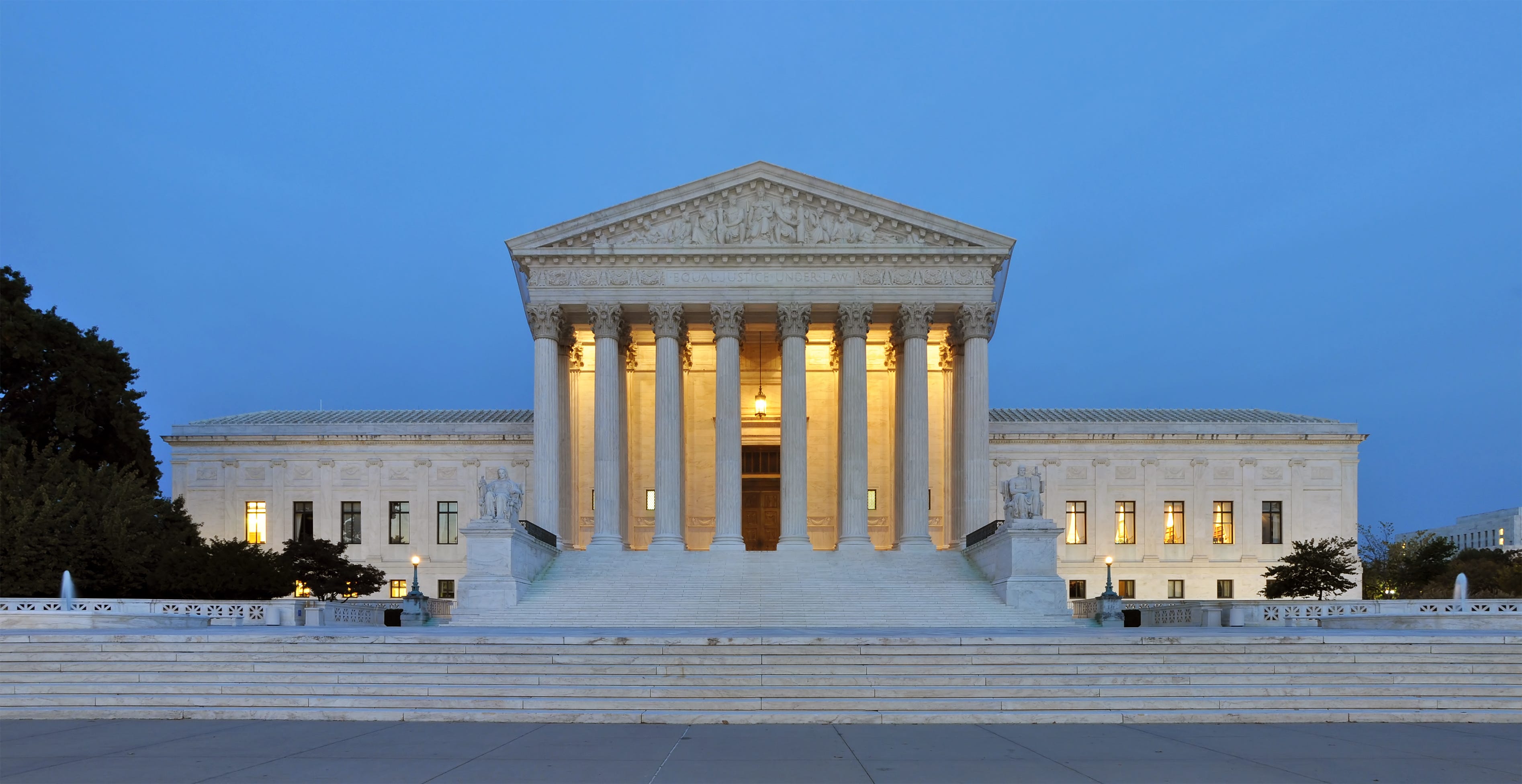
The Trump administration has officially asked the U.S. Supreme Court to intervene in a high-stakes legal battle, seeking permission to detain and deport a foreign scholar who was targeted over his pro-Palestinian advocacy.
The Department of Justice filed a petition on Monday asking the high court to overturn a recent appellate decision that led to the release of Badar Khan Suri, an Indian citizen and scholar at Georgetown University. Suri was arrested by immigration authorities in March 2025 as part of the administration’s broader campaign to revoke the visas of noncitizen students and academics who engaged in pro-Palestinian activism or criticized Israel’s war in Gaza.
Suri was held in a Texas detention facility until May 2025, when a district court judge ordered his release, determining that the scholar was likely to prove his arrest was an unconstitutional retaliation against his protected free speech.
A Question of Jurisdiction
The core legal dispute centers on whether federal judges have the authority to intervene in immigration enforcement.
In July, a divided panel of the 4th U.S. Circuit Court of Appeals ruled in Suri’s favor, concluding that nothing in federal immigration law prevents a judge from hearing a constitutional challenge regarding unlawful detention, even if deportation proceedings are actively pending in immigration courts.
However, the Trump administration vehemently disagrees. In Monday’s petition to the Supreme Court, Solicitor General D. John Sauer argued that the 4th Circuit’s ruling was fundamentally flawed and risked severely disrupting immigration enforcement nationwide.
“That is all practically disastrous,” Sauer wrote, warning that the lower court’s decision essentially gives detainees a loophole to challenge their deportations outside of the established immigration court system.
Conflicting Rulings
Sauer also pointed out that the Supreme Court’s intervention is necessary to resolve a split among the lower courts.
Earlier this year, a different appeals court reached the exact opposite conclusion in a remarkably similar case involving Mahmoud Khalil, a Columbia University student who was also detained for pro-Palestinian activism. In that instance, the court ruled that immigration law stripped federal judges of jurisdiction over the student’s claims, a decision Khalil’s legal team intends to appeal.
The DOJ is now urging the justices to take up both cases to settle the matter definitively. The Supreme Court has yet to announce whether it will grant certiorari and hear the administration’s appeal.