Washington says the measures aim to cut Tehran’s oil revenue and disrupt the shipping networks supporting its military and regional operations, though analysts question how much immediate impact the latest action will have.
The Trump administration announced fresh sanctions against Iran on Thursday, October 8, targeting individuals, corporate networks and 17 vessels accused of transporting Iranian crude oil, petroleum products and petrochemicals.
The U.S. Treasury Department said the measures are part of “Operation Economic Outcast,” a campaign intended to restrict Tehran’s access to revenue used to finance its war effort, missile development, cyber activities and the Islamic Revolutionary Guard Corps (IRGC).
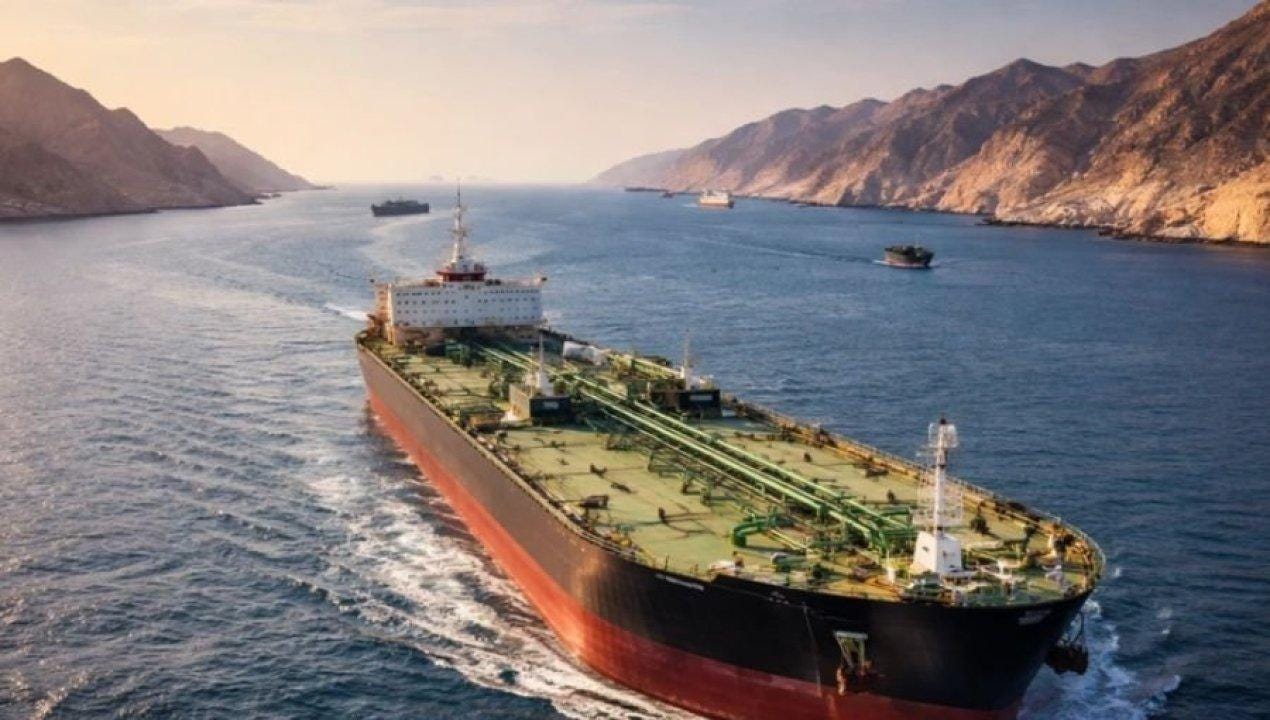
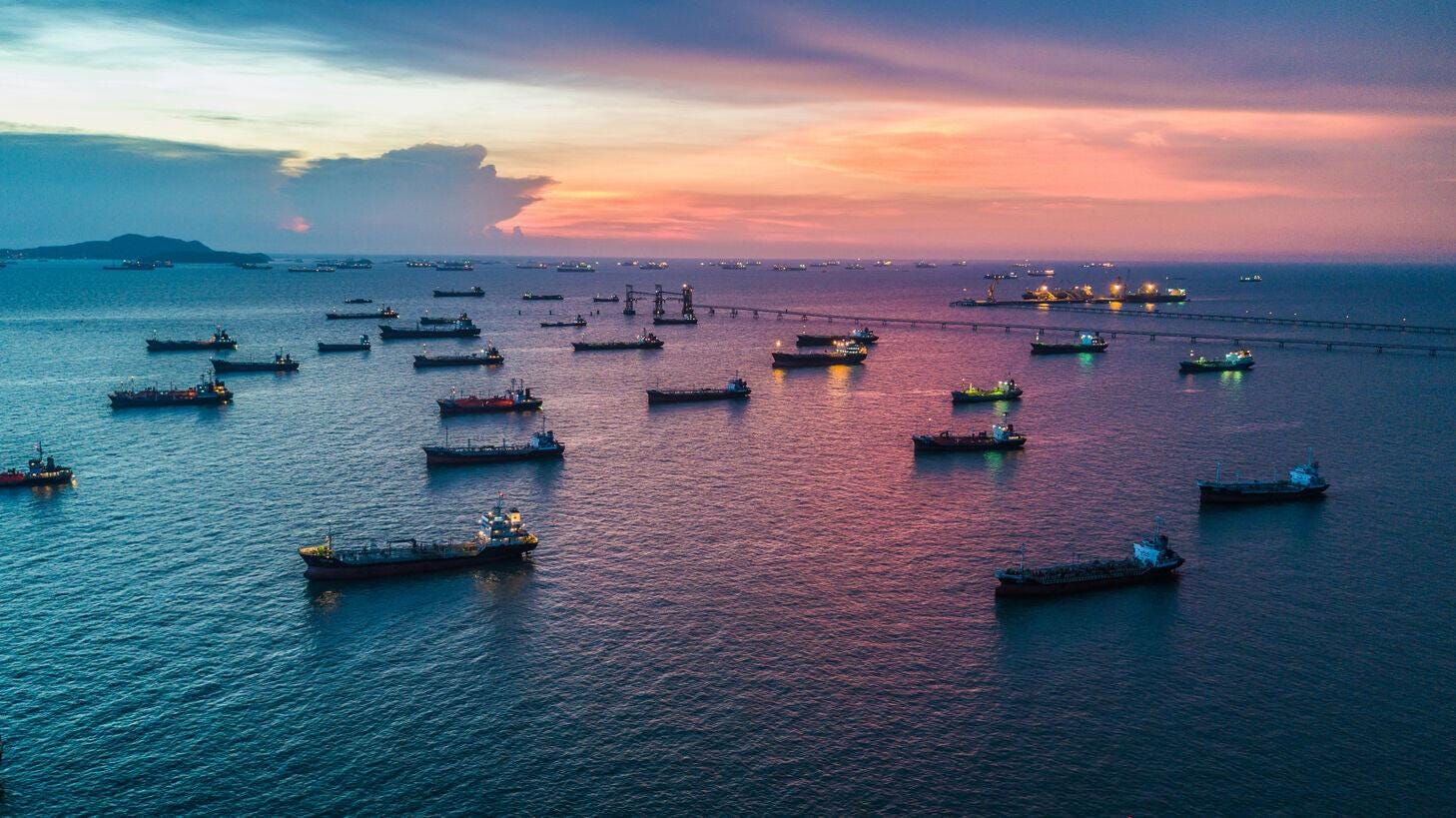
The latest action focuses on Iran’s so-called shadow fleet: tankers and associated shipping companies that Washington says help Tehran move oil through networks designed to evade U.S. sanctions. The Treasury Department described the measures as a major blow to the remaining maritime network supporting Iran’s oil trade.
Washington Intensifies Pressure on Iranian Oil Exports
The new sanctions add to a broader U.S. campaign to restrict Iran’s ability to sell petroleum overseas and access the proceeds.
According to the Treasury Department, the designated vessels have transported millions of barrels of Iranian crude oil, petroleum products and petrochemicals to markets in South and East Asia. The department also identified companies it says operate or support parts of the shipping network.
U.S. officials argue that targeting the vessels and their commercial facilitators can make it more difficult for Iran to arrange shipments, obtain maritime services and receive payments.
The measures were imposed under Executive Order 13902, which authorizes sanctions targeting Iran’s petroleum and other key economic sectors. Treasury also warned that foreign businesses and individuals facilitating sanctions evasion could face consequences affecting their access to the U.S. financial system.
Seventeen Vessels Among Those Targeted
The Treasury Department named 17 vessels in the latest action. They include tankers accused of carrying Iranian crude oil, naphtha, bitumen, methanol, ammonia, propane and butane.
Among the vessels identified by U.S. authorities are:
Paritosh: A Comoros-flagged tanker that Treasury says transported more than 100,000 barrels of Iranian bitumen or asphalt in 2026.
Bitu: A Panama-flagged tanker that the department says transported more than 170,000 barrels of Iranian bitumen or asphalt this year.
Starway: A Panama-flagged vessel that Treasury says has transported more than three million barrels of Iranian naphtha since 2025.
Gas Lucky: A Bahamas-flagged liquefied petroleum gas tanker that the department says transported more than 500,000 barrels of Iranian ethylene since 2025.
Shenzhen: A Cameroon-flagged tanker that Treasury says has carried more than 3.5 million barrels of Iranian crude oil since November 2025.
The department also designated multiple companies associated with the vessels and their operations. These details reflect the U.S. government’s stated basis for the sanctions, rather than independent adjudications of every allegation.
U.S. Blockade Adds to the Economic Squeeze
The sanctions follow Washington’s reimposition of a blockade on Iranian ports on July 14, after an agreement intended to end the conflict between the United States and Iran broke down.
A Treasury official told reporters that Iran had approximately 20 million barrels of crude oil remaining on vessels outside the blockade, including ships near Singapore, Malaysia and China. The official contrasted that amount with global oil consumption of roughly 100 million barrels per day.
Another U.S. official said the blockade and mounting restrictions had halted the loading and unloading of Iranian crude-oil vessels.
The administration’s strategy combines restrictions on maritime trade with pressure on the companies, intermediaries and financial channels that enable Iranian petroleum sales. \
Analysts Question the Immediate Impact
Despite the administration’s strong language, the latest sanctions may not immediately eliminate Iran’s remaining oil revenue.
Brett Erickson, a managing principal at Obsidian Risk Advisors, argued that the measures came after much of Iran’s oil already at sea had been delivered, limiting their immediate effect. Reuters reported his assessment that the action could be more symbolic than strategically decisive in the short term.
The longer-term effect will depend on whether Washington can prevent future shipments, discourage companies from providing services to sanctioned vessels and persuade foreign governments and commercial operators to cooperate with enforcement.
Iran’s maritime trading networks can also change over time, including through changes in vessel ownership, company structures and shipping arrangements. Treasury has said it will continue identifying and disrupting efforts to evade sanctions.
Sanctions Come as Washington Signals Possible Talks
The new measures arrive amid continuing tensions between Washington and Tehran.
On October 8, President Donald Trump said the United States was engaged in what he described as “productive discussions” with Iran. He also said Washington would not resume military attacks before the November 3 midterm elections, according to Reuters reporting.
The diplomatic comments and the new sanctions reflect two tracks in U.S. policy: maintaining economic pressure while leaving room for negotiations. The precise status and scope of any discussions were not fully detailed in the sanctions announcement.
What Comes Next for Iran’s Oil Trade?
The immediate question is whether the latest designations will further restrict Iran’s ability to move petroleum to overseas buyers and collect payment.
The sanctions could increase the risks faced by shipping companies, vessel owners, insurers, intermediaries and other businesses connected to Iranian oil exports. But the scale of their practical effect will depend on enforcement and the willingness of international commercial partners to avoid sanctioned networks.
For the Trump administration, the stated objective is to deprive Tehran of revenue that Washington says supports military and regional activities. Whether the campaign achieves that goal will become clearer as future shipment volumes, maritime activity and diplomatic developments unfold.