President Donald Trump announced Sunday that Russia and Ukraine had agreed to an immediate ceasefire focused on energy infrastructure, declaring that both sides must stop attacks. However, the announcement was followed by conflicting signals over whether a binding agreement had actually been reached.
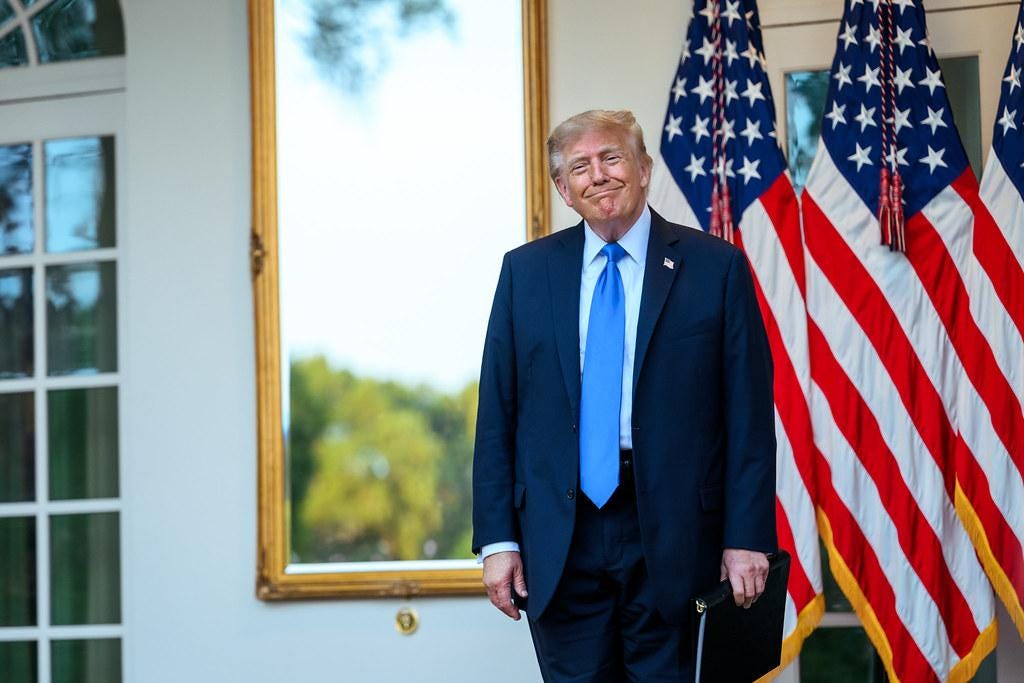
In a post on Truth Social, Trump wrote: “Effective immediately, there is an ENERGY CEASEFIRE in the War between Russia and Ukraine. Both parties have agreed. Do not break it!”
The declaration came after days of pressure from Washington on Ukrainian President Volodymyr Zelenskyy to halt attacks on Russian oil refineries. But Ukrainian officials reported that Russian attacks on power facilities continued, and Moscow had not publicly confirmed the arrangement at the time of reporting.
Zelenskyy Welcomes the Announcement but Seeks Clarity
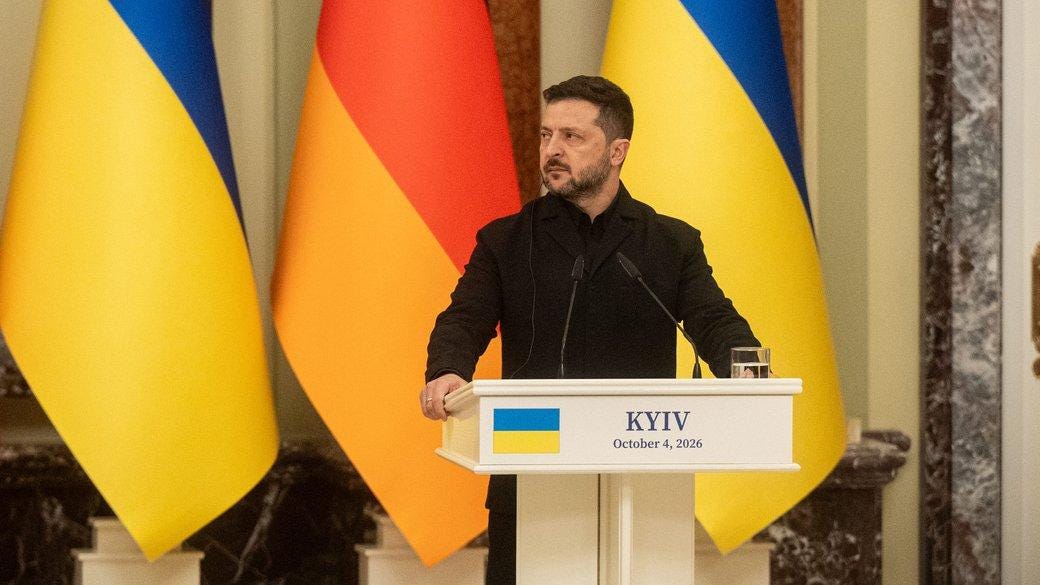
Zelenskyy said Ukraine welcomed the announcement but emphasized that Russia must also comply.
“We discussed the energy ceasefire announced by President Trump. Ukraine supports the ceasefire, and it is important that Russia support it as well,” Zelenskyy said, according to Reuters.
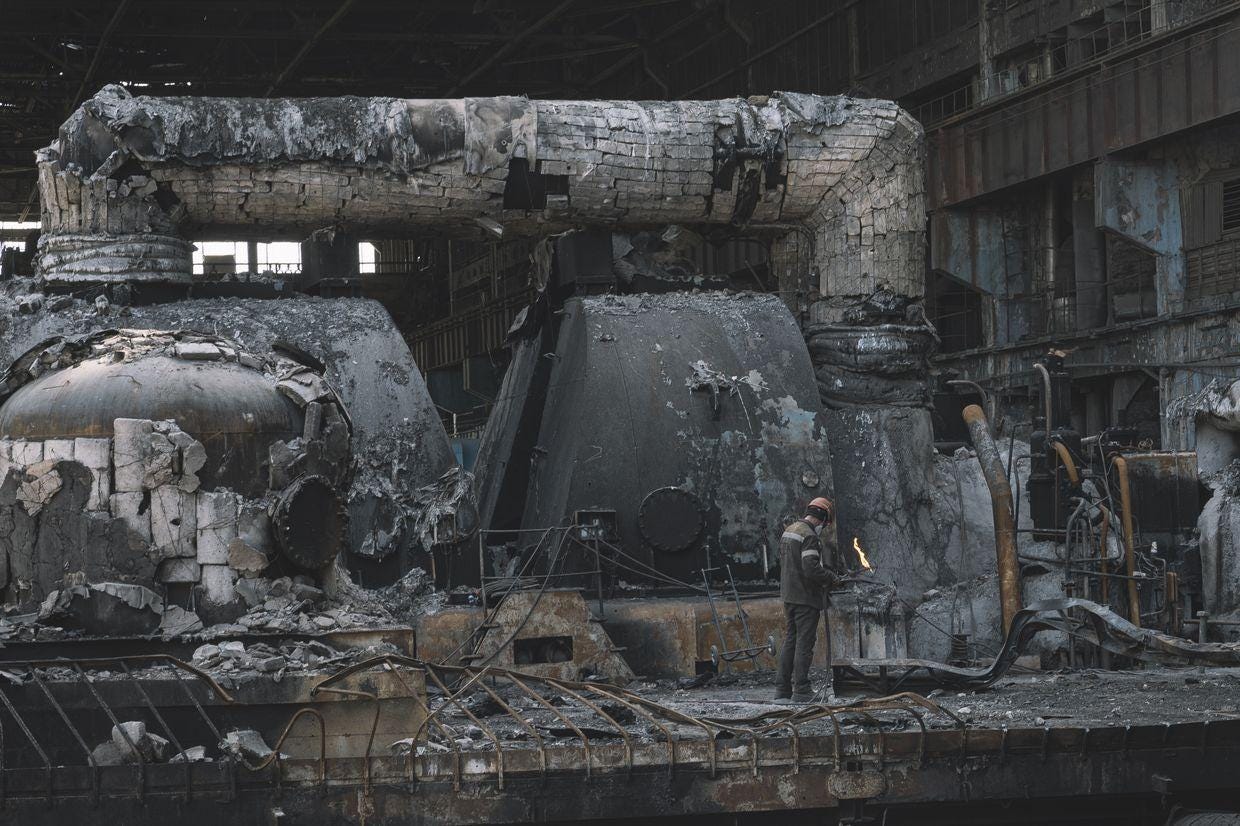
In his evening address, Zelenskyy reported drone and glide-bomb attacks and said a power plant in Kharkiv had been struck after Trump’s post. Ukraine’s presidential office also confirmed the reported attack.
Zelenskyy reiterated that Kyiv was prepared to refrain from attacking Russian energy infrastructure if Moscow stopped targeting Ukraine’s own energy facilities.
The Ukrainian position highlights a central question: whether the proposed arrangement will cover oil refineries alone or extend to power plants, electricity grids and other critical infrastructure.
Energy Infrastructure Becomes a Central Point of Pressure
Both countries have increasingly targeted energy infrastructure during the war, though the consequences differ.
Russian attacks on Ukrainian power facilities have damaged infrastructure essential to electricity and heating. Ukraine, meanwhile, has launched drone attacks against Russian oil refineries, disrupting fuel production and putting pressure on an important source of Russian export revenue.
The Trump administration has sought to halt the attacks as part of broader efforts to reduce tensions. A limited energy ceasefire could reduce damage to civilian infrastructure and ease pressure on fuel markets, but its effectiveness would depend on the scope of the restrictions and whether both governments observe them.
For now, the announcement has not established a verified monitoring system, enforcement mechanism or public timetable for implementation.
Diesel Prices and a Controversial U.S.-Russia Arrangement
The announcement follows a separate development involving Russian diesel supplies.
According to Fox News, Trump announced an arrangement allowing more than 300,000 tons of Russian diesel to be supplied, with further shipments expected in November and beyond. The report said the Treasury Department authorized temporary sanctions relief to facilitate the shipments. The precise terms and implementation of the arrangement should be distinguished from the separate ceasefire declaration.
Trump has argued that attacks on Russian refineries have contributed to fuel-market pressures. The broader rise in energy prices has also been affected by the war involving Iran, making it difficult to attribute changes in American fuel costs to any single factor.
The proposed diesel arrangement has drawn criticism from Zelenskyy and Ukrainian supporters, who argue that renewed Russian oil revenue could help finance Moscow’s war effort. The administration’s stated objective is to improve fuel availability and address costs facing American consumers and businesses.
Trump-Zelenskyy Relations Face Further Strain
The ceasefire announcement comes amid heightened tensions between Trump and Zelenskyy.
Trump has urged Ukraine to stop striking Russian refineries and publicly criticized Zelenskyy’s approach to negotiations. On Saturday, Trump suggested that Ukraine should choose a different leader who could reach an agreement with Moscow.
Zelenskyy responded that Ukraine’s leadership must be chosen by Ukrainians. He also noted that holding elections during martial law presents legal and logistical obstacles, including the security risks posed by ongoing Russian attacks and the displacement of millions of citizens.
Ukraine has remained under martial law since Russia launched its full-scale invasion in February 2022. The dispute over energy attacks has therefore become part of a broader disagreement over how to pursue negotiations and what concessions, if any, would be required to end the war.
A Previous Ceasefire Announcement Raises Questions
Trump also announced an energy ceasefire in September, but neither side publicly confirmed that an agreement had been reached, and attacks continued.
That history makes verification of the latest announcement particularly important. A presidential declaration alone does not establish that military operations have stopped or that both governments have agreed to the same terms.
As of Sunday, the latest announcement lacked publicly confirmed details about its precise scope, monitoring arrangements and consequences for violations. Russia’s public response and the pattern of attacks in the days ahead will be key indicators of whether the proposal becomes an effective arrangement.
What Happens Next?
The immediate test will be whether Russian and Ukrainian forces stop striking the energy facilities covered by the proposed ceasefire.
A reciprocal halt could protect power infrastructure, reduce risks to civilians and create an opening for additional negotiations. But continued attacks, disagreement over which facilities are covered, or the absence of a clear verification process could undermine the effort.
Trump has presented the announcement as an agreement effective immediately. Ukraine has said it supports a ceasefire, while insisting that Russia must reciprocate. Until Moscow confirms the terms and both sides demonstrate compliance, the status of the proposed energy truce remains uncertain.