

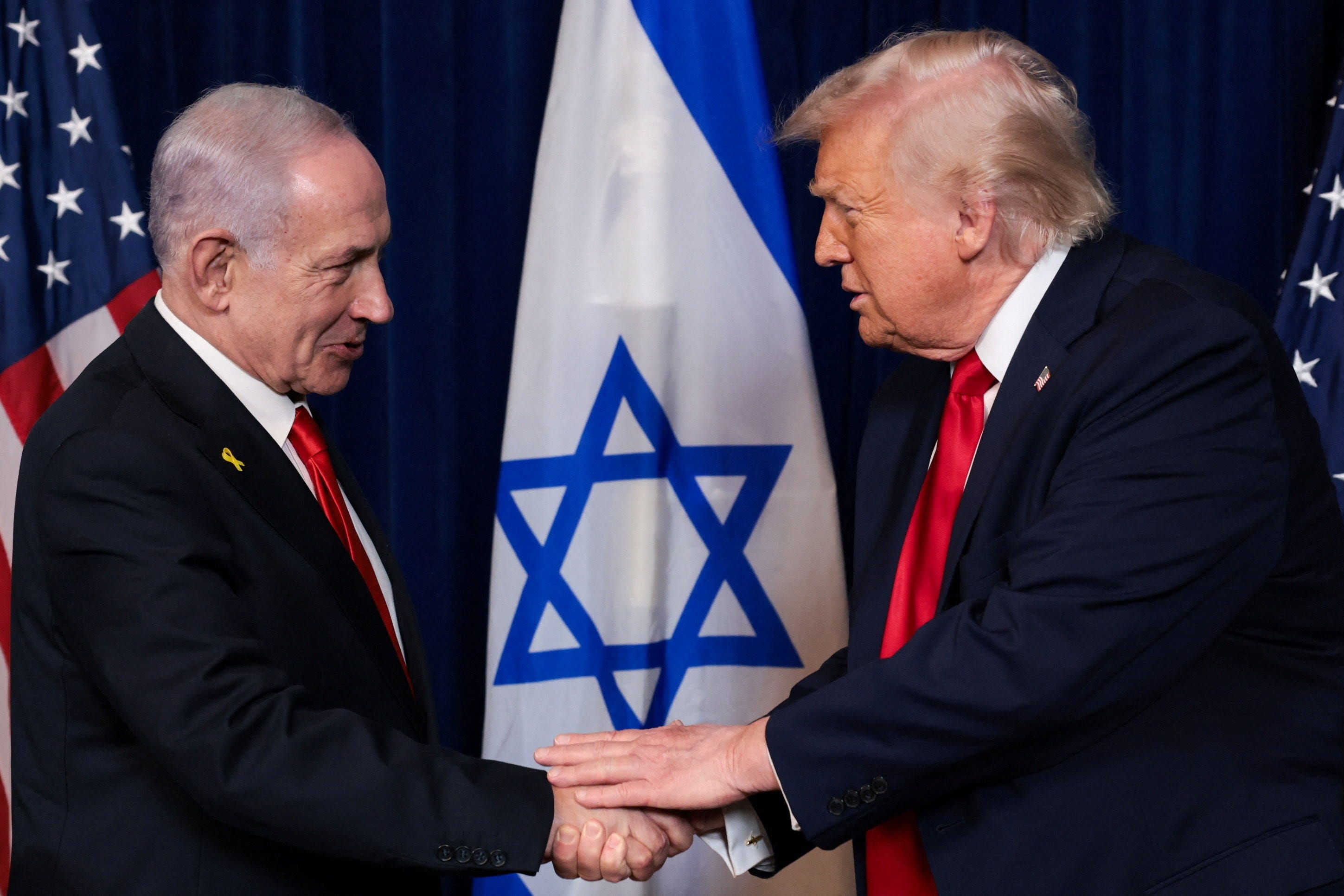
In a notable departure from his past political maneuvers, President Donald Trump has conspicuously declined to endorse Israeli Prime Minister Benjamin Netanyahu ahead of next week’s highly contested national elections in Israel.
When pressed by reporters at the White House on whether he was supporting the longtime leader of the Likud party, Trump offered a noncommittal response. “I haven’t really been focused on it. We’ll see what happens,” the President stated. “I know they have a big election coming up. We have good relationships over there.”
The lack of a formal endorsement stands in stark contrast to Trump’s approach during his first term. In the lead-up to the 2019 Israeli elections, Trump provided massive political boosts to Netanyahu, including officially recognizing Israel’s sovereignty over the Golan Heights and withdrawing from the Iran nuclear deal—moves that Netanyahu heavily leveraged in his campaign advertising.
Political analysts suggest that the current silence reflects a complicated and somewhat fractured relationship between the two leaders. Tensions reportedly began after Netanyahu was among the first world leaders to congratulate Joe Biden on his 2020 election victory, a move that Trump viewed as disloyal. Furthermore, the Trump administration appears to be taking a more cautious diplomatic approach as the Israeli electorate remains deeply divided over Netanyahu’s leadership, his ongoing corruption trials, and his handling of domestic security.
Netanyahu is currently facing a formidable challenge from a coalition of opposition figures, including former Prime Ministers Yair Lapid and Naftali Bennett, who are seeking to unseat the longest-serving Prime Minister in the nation’s history.
Despite the lack of a personal endorsement, the White House maintains that the broader U.S.-Israel alliance remains unwavering. However, Trump’s decision to stay on the sidelines underscores a calculated shift, indicating that the administration is prepared to work with whichever coalition emerges victorious from next week’s critical vote.