

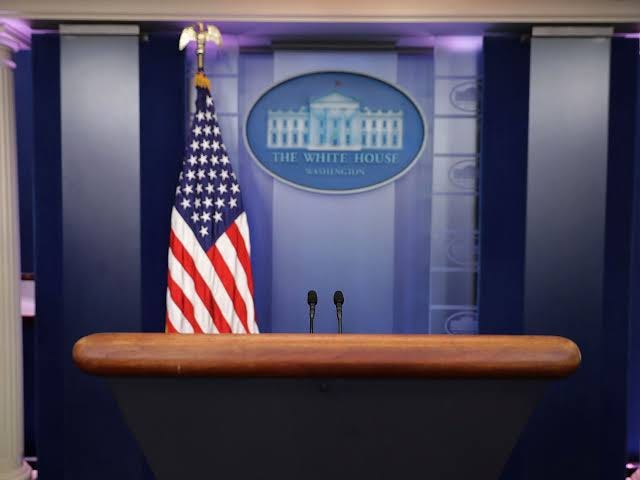
The White House’s escalating war with the mainstream media reached a new boiling point this week, as reporters from CNN, MS Now, and Politico were formally barred from attending a press briefing.
President Donald Trump unapologetically defended the unprecedented move, doubling down on his longstanding grievances against legacy media organizations. Taking to social media and speaking with allied networks shortly after the ban, the president framed the decision as a necessary step to combat what he perceives as a relentlessly hostile press corps, explicitly warning that the purge is not over.
“We are no longer going to tolerate the absolute lies and fake news being peddled by these networks,” Trump stated. “CNN, MS Now, and Politico have proven they are not interested in the truth. They are banned, and many more fake news outlets will be following them out the door very soon.”
A Deepening Divide in the Briefing Room
The dramatic exclusion occurred when journalists from the targeted organizations arrived for an informal briefing—or gaggle—only to be physically turned away by White House communications staff. In their place, the administration packed the room with reporters from conservative-leaning outlets, alternative media, and select wire services.
The move prompted immediate backlash from press freedom organizations. The White House Correspondents’ Association (WHCA) condemned the ban as an assault on the First Amendment and a dangerous breach of democratic norms.
“The executive branch does not have the constitutional authority to unilaterally decide which journalists are permitted to report on the government,” the WHCA said in a statement. “Weaponizing access to punish outlets for critical coverage is a direct threat to transparency and a free press.”
What Comes Next
While previous administrations have occasionally sparred with individual reporters, implementing a sweeping, organization-level ban represents a severe tactical shift. Trump’s threat that other outlets “will follow” has sent ripples through the Washington press corps, raising questions about whether major broadcast networks or prominent newspapers like The New York Times could be the administration’s next targets.
Legal experts predict the ban could quickly trigger a high-stakes court battle. In previous years, when the administration attempted to revoke the press credentials of individual reporters, federal courts intervened, ruling that the White House cannot arbitrarily deny access without due process. However, a blanket ban on entire news organizations could test new legal boundaries in the fight over press access.