

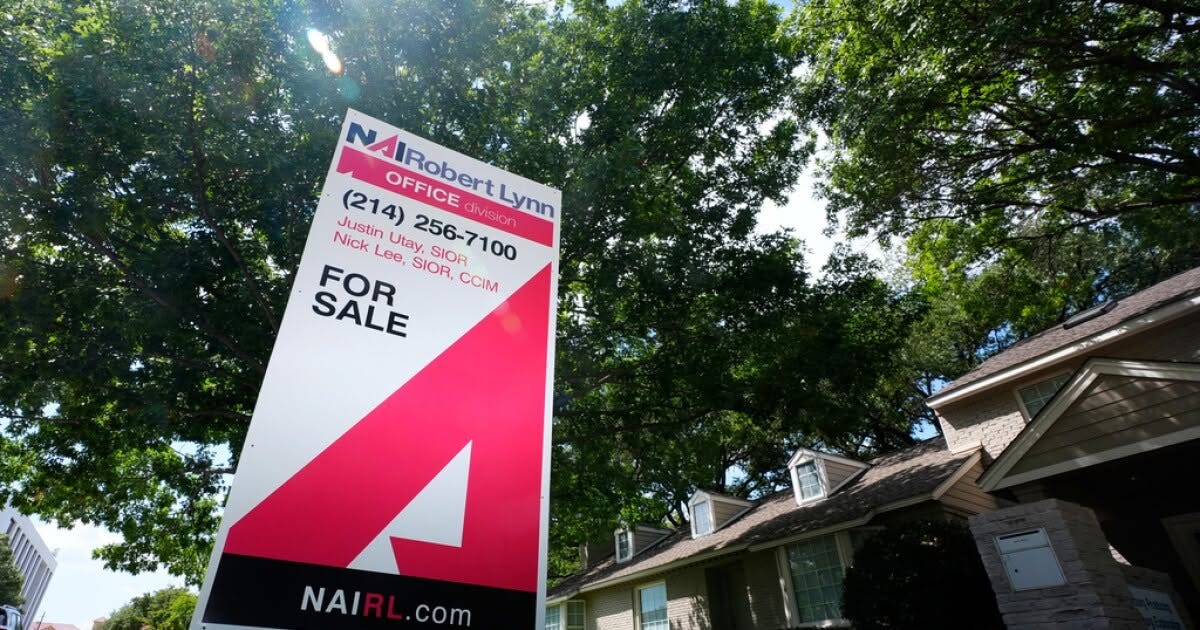
The cost of financing a home in the United States has climbed to its highest level in two years, dealing another heavy blow to prospective buyers already grappling with elevated home prices and limited inventory.
According to recent financial data, the average rate on the popular 30-year fixed mortgage has officially surpassed the 7% threshold. This marks a significant milestone, representing the highest borrowing costs the real estate market has seen since late 2024.
The surge in rates is largely driven by bond market reactions to persistent inflation data and the Federal Reserve’s ongoing efforts to manage economic growth without triggering a recession. As yields on the 10-year Treasury note—which serve as a benchmark for mortgage rates—have marched upward, lenders have subsequently increased the rates offered to consumers.
The Affordability Squeeze
For the average American homebuyer, the difference between a 6% and a 7% mortgage rate translates to hundreds of dollars in additional monthly payments, potentially pricing many first-time buyers out of the market entirely.
Real estate economists warn that crossing the psychological barrier of 7% is likely to chill housing market activity heading into the final quarter of the year. Sellers may become increasingly reluctant to list their properties, unwilling to trade their current, lower-rate mortgages for a new loan at today’s elevated borrowing costs—a phenomenon known as the “lock-in effect.”
Key insight: A $400,000 loan at 7% costs approximately $260 more per month than the same loan at 6%, adding nearly $95,000 in extra interest over the 30-year life of the loan.
Looking Ahead
Market analysts are closely watching the Federal Reserve’s upcoming policy meetings. While the central bank does not set mortgage rates directly, its monetary policy decisions heavily influence the broader economic conditions that dictate lending costs.
Unless inflation shows significant signs of cooling, experts suggest that mortgage rates are likely to remain elevated, forcing buyers to either increase their down payments, seek out smaller homes, or delay their purchasing plans until the macroeconomic environment stabilizes.