

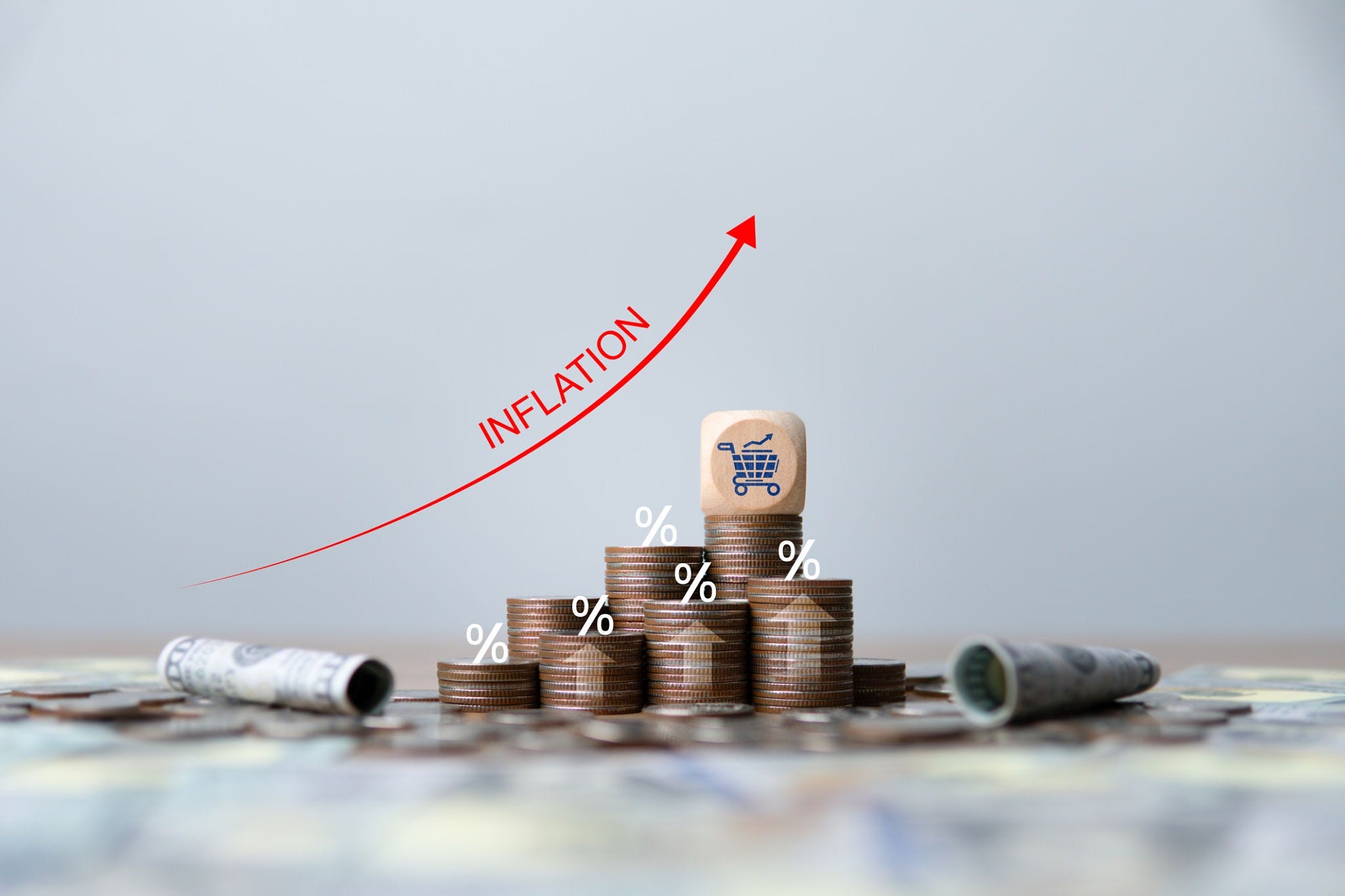
U.S. consumer prices climbed more than expected in October, signaling fresh warning signs for the Federal Reserve’s ongoing fight to stabilize the economy. The Bureau of Labor Statistics reported Tuesday that the Consumer Price Index (CPI) rose 0.4% last month, exceeding the 0.3% increase projected by economists and continuing a trend of persistent price pressures.
The latest economic data reveals a complex landscape for American households. Stripping out volatile food and energy costs, core CPI increased 0.3%, edging past the 0.2% forecast. The overall monthly increase was driven largely by higher costs for shelter, food, and energy. While average retail gasoline prices fell below the $4 per gallon mark, diesel fuel remained severely elevated, sitting 70% higher than at the start of the year. Notably, the report did not include a year-over-year inflation change; a lapse in appropriations that caused a government shutdown in October 2025 left the agency without sufficient baseline data for an annual comparison.
The stubborn inflation numbers are likely to force immediate monetary policy adjustments. Federal Reserve Governor Christopher Waller stated earlier on Tuesday that if core inflation rose 0.3% or higher, a half-point (0.50%) interest rate hike “should be considered” at the central bank’s upcoming December meeting. The broader U.S. inflation rate has persistently failed to hit the Fed’s target of 2% since early 2021, keeping policymakers on a hawkish trajectory.
The economic developments also arrive at a fraught political moment in Washington. The hotter-than-expected CPI report follows a bruising set of midterm elections for the Republican Party, which suffered sweeping losses that political analysts have largely viewed as a voter rebuke over consistently high consumer prices and economic frustration.