

U.S. officials have linked high-resolution satellite imagery provided by Chinese entities to a deadly Iranian missile strike on a military base in Jordan, according to a new report by The Wall Street Journal. The July 17 attack on Muwaffaq Salti Air Base killed three American service members and wounded four others.
According to intelligence officials, Iran obtained detailed satellite images of the installation from Chinese sources both before and after the attack. This revelation is being described as the most concrete evidence to date that Chinese commercial space data is directly aiding Iran’s military operations, with lethal consequences for American forces.
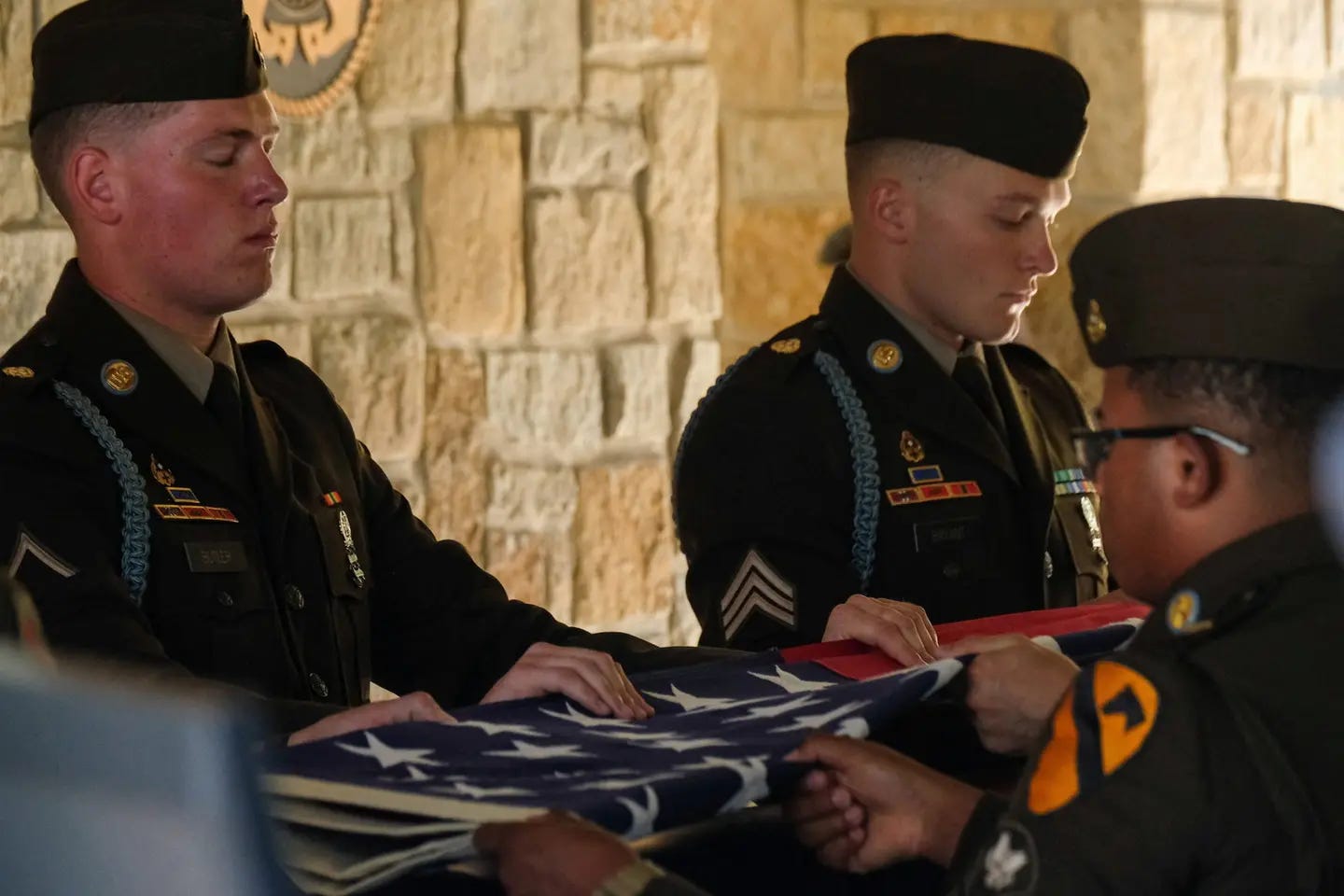
The Iranian ballistic missiles struck a housing area at the base in northeastern Jordan where U.S. troops were sleeping. The soldiers killed in the attack were identified as Army 1st Lt. Tyler James Feehan, Pvt. Isabella Gonzales, and Sgt. Angel S. Rampersad.
Enhanced Targeting Capabilities
For months, U.S. officials have warned Beijing that Chinese companies were supplying Iran with satellite intelligence capable of being used to target American forces in the region. The Trump administration previously sanctioned three Chinese companies—MizarVision, Earth Eye, and Chang Guang—in May over allegations that they provided or published imagery usable by Iran against U.S. assets.
Access to high-resolution imagery holds significant value for Tehran. Earlier in the conflict, U.S. strikes degraded Iran’s radar and surveillance equipment, limiting the country’s ability to independently monitor American military positions. Former CIA analyst Jim Lamson told the Journal that fresh, high-resolution imagery allows Iran to pinpoint high-value targets—such as aircraft parking positions and housing units—more accurately and assess the damage following a strike.
While U.S. officials did not name the specific Chinese companies involved in the July 17 attack and stopped short of accusing the Chinese government of directly authorizing the assistance, the findings have strained diplomatic relations.
Senior U.S. officials reportedly raised the intelligence findings with their Chinese counterparts, who rejected the allegations and demanded concrete evidence. A spokesperson for the Chinese Embassy in Washington did not directly address the claims but accused unnamed critics of “maliciously linking and smearing other countries,” maintaining that China’s cooperation with Iran complies with international law.
The developments add a volatile new layer to the geopolitical landscape as President Donald Trump prepares for a planned summit with Chinese President Xi Jinping on September 24.