

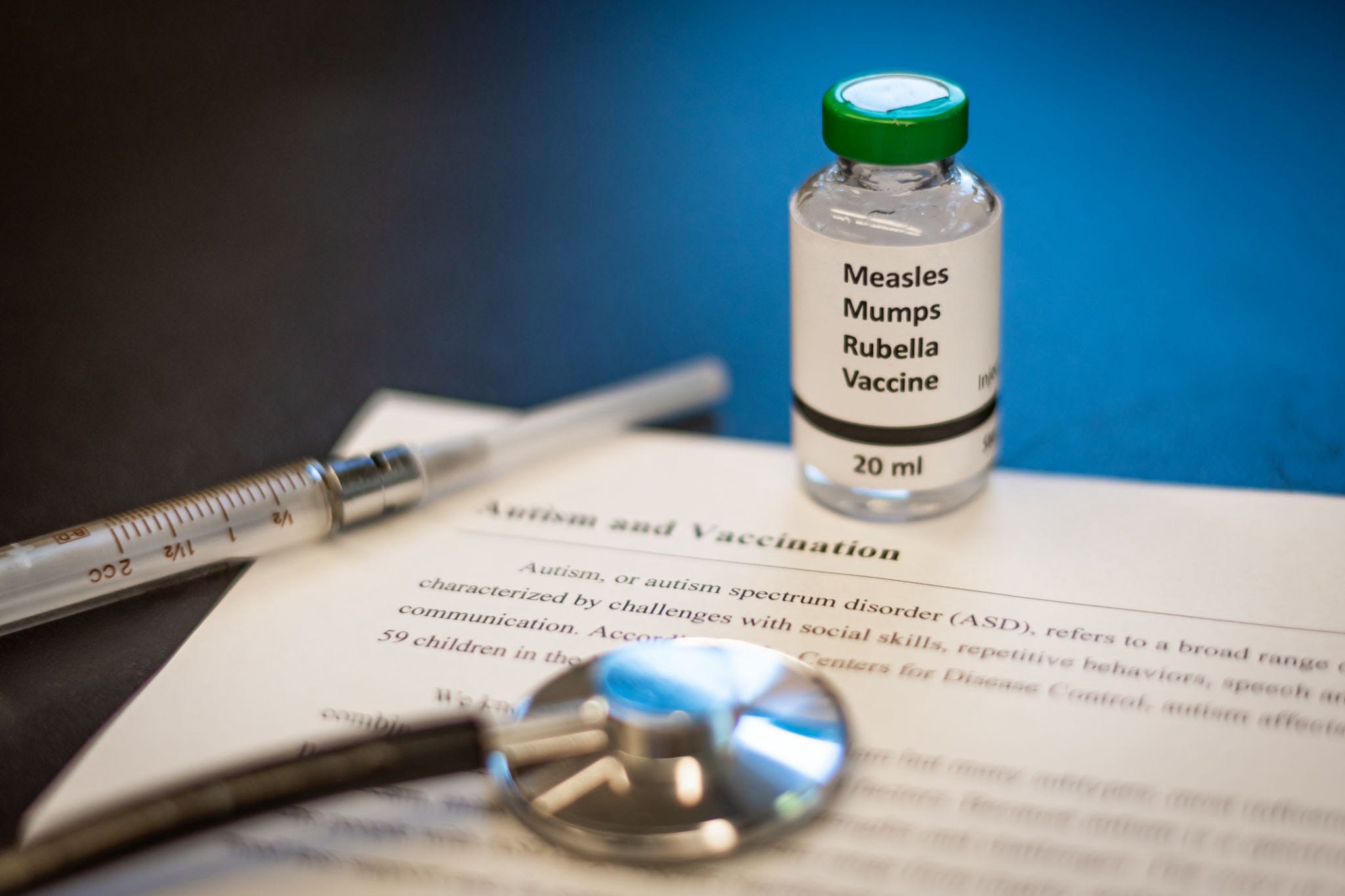
A 40-year-old woman in Pennsylvania has died from measles complications, bringing the total number of measles-related deaths in the United States this year to three. The fatality underscores the growing threat of a disease that was once declared eliminated in the U.S. but is now making a rapid resurgence amid rising vaccine skepticism.
According to the Jefferson County Coroner’s Office, the woman died on Saturday from complications associated with the virus. Local authorities confirmed that she was unvaccinated.
“While cases of severe illness remain uncommon, this tragedy highlights that measles should not be taken lightly,” said Jason Stiver, Jefferson County’s Chief Deputy Coroner.
The recent fatality follows two other measles-related deaths recorded in August in Lancaster County, Pennsylvania. Those victims, who were also unvaccinated, marked the first measles deaths in the U.S. in 2026 and the first in Pennsylvania in 35 years. Lancaster County is home to a large Amish population, a traditional community that typically reports lower vaccination rates than the broader American public.
A Preventable Crisis Escalates
Measles was officially declared eliminated in the United States in the year 2000, thanks to a highly effective national vaccination program. However, public health officials are now battling a massive resurgence.
According to the Centers for Disease Control and Prevention (CDC), nearly 3,300 confirmed measles cases have been recorded nationwide in 2026. This already surpasses the 2,289 cases recorded in 2025 and represents the highest annual total since 1991, when the U.S. saw over 9,600 cases.
Health experts largely attribute the rapid spread to a growing distrust of medical authorities and widespread vaccine skepticism. The situation has become highly politicized, with critics accusing prominent figures—including President Donald Trump’s health secretary, known vaccine skeptic Robert Kennedy Jr.—of stoking fears and misinformation regarding routine childhood immunizations.
Measles is one of the most contagious airborne viruses in the world. Early symptoms typically include a high fever, cough, and runny nose, followed by a distinct full-body rash. In severe cases, the virus can lead to dangerous complications such as pneumonia and brain inflammation (encephalitis), which can cause permanent damage or death.