

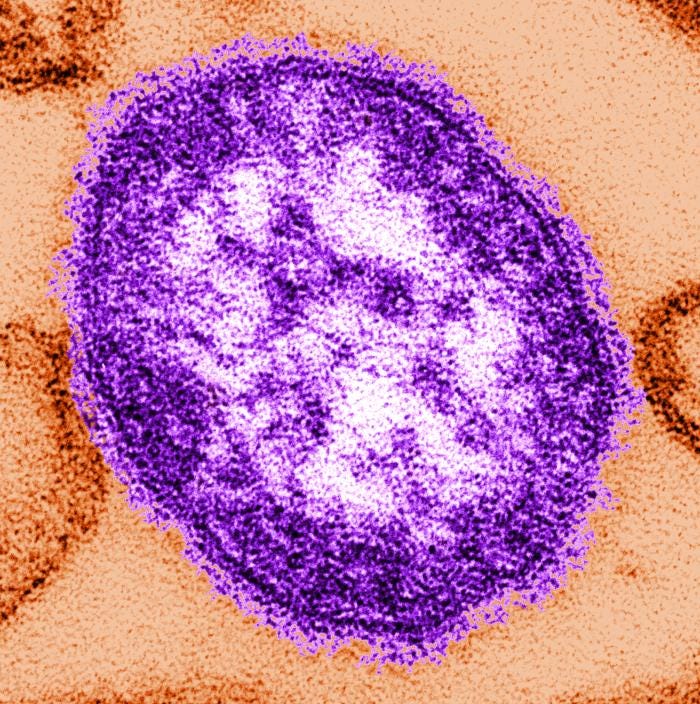
For the first time in over a quarter of a century, the United States is no longer considered free of measles. On Tuesday, the Pan American Health Organization officially declared the highly contagious virus endemic in the country, marking the end of a 26-year elimination status following 12 consecutive months of continuous viral transmission.
The loss of elimination status arrives on the heels of a massive surge in infections. In 2026 alone, the U.S. recorded over 5,400 measles cases and 10 confirmed deaths across Pennsylvania, New York, and Wisconsin—the highest transmission rates seen since the early 1990s. Public health officials point directly to declining childhood immunization rates as the primary catalyst. During the 2025-2026 school year, national coverage for the MMR (measles, mumps, and rubella) vaccine slipped to 92.4%, falling dangerously below the 95% threshold required to maintain herd immunity and prevent sustained community outbreaks.
The ongoing public health crisis also carries a steep financial toll. Researchers at Johns Hopkins University estimate that the recent outbreaks have inflicted nearly $83 million in economic damages, including roughly $56 million strictly dedicated to emergency public health response efforts. Brown University School of Public Health professor Jennifer Nuzzo warned that health officials are now effectively “chasing the virus” rather than successfully containing it.
CDC Director Dr. Erica Schwartz stressed that the agency’s core focus remains on prevention, emphasizing that the MMR vaccine is the safest and most effective way to stop the virus. The resurgence presents a significant early test for the Trump administration and Health and Human Services Secretary Robert F. Kennedy Jr., who has previously expressed skepticism regarding vaccine safety.
With this downgrade, the United States joins Canada, Spain, and the United Kingdom on the growing list of developed nations that have recently lost their measles-elimination status.