

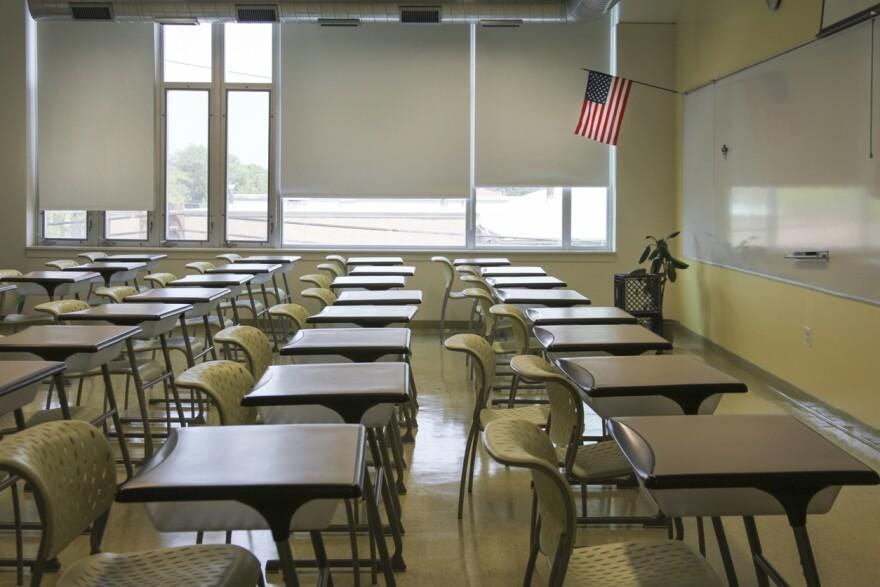
Public school districts across the United States are confronting a growing financial challenge: fewer students, rising operating costs and budgets that have become increasingly difficult to sustain.
Since the COVID-19 pandemic, public school enrollment has declined by more than 1.4 million students nationwide. Yet many districts have been slow to adjust their spending and infrastructure to reflect the smaller student population, allowing financial pressures to accumulate.
The situation is becoming more urgent as billions of dollars in federal pandemic-era education assistance have been exhausted. Those temporary funds helped schools maintain operations, support staffing and address pandemic-related learning losses. Without that financial cushion, districts are now being forced to confront structural budget problems that were previously easier to postpone.
Seattle and San Francisco Illustrate the Growing Problem
Seattle Public Schools provides a striking example of how difficult school budget restructuring can become.
Nearly four decades ago, auditors warned that the district needed to close under-enrolled schools to avoid recurring financial problems. Community opposition prevented those recommendations from moving forward.
The same debate resurfaced in 2024, when Seattle officials abandoned proposals that could have resulted in closing as many as one-fifth of the district’s schools.
San Francisco is facing similar pressures. Public school enrollment has fallen approximately 10% since 2019, contributing to a projected budget deficit exceeding $100 million. A proposed school closure plan emerged in late 2024, but financial challenges have continued despite subsequent labor negotiations and a new $183 million agreement with the teachers’ union. The district still faces a projected deficit of approximately $26 million.
Personnel Costs Make Budget Cuts Difficult
One of the biggest obstacles facing school administrators is the structure of public education spending.
Employee salaries and benefits account for approximately 80% of many school district budgets. That means closing individual schools does not necessarily produce the substantial savings taxpayers might expect, particularly when districts must continue paying staff or accommodate displaced students elsewhere.
At the same time, teacher headcounts have increased by approximately 1% since the pandemic, even as student enrollment has declined.
Stanford education researcher Thomas Dee has criticized districts for repeatedly postponing necessary downsizing decisions while their financial problems continue to grow.
The consequences extend beyond accounting. When districts delay difficult decisions, they risk diverting resources from classroom instruction, student support services and academic recovery programs.
State Intervention Is Becoming More Common
The financial pressures are also creating governance challenges.
At least 21 school districts have been taken over by state authorities since 2023, according to reporting cited by Chalkbeat. Such interventions can reduce local control and limit the ability of elected school boards and communities to determine their own educational priorities.
For taxpayers, the central question is increasingly difficult to avoid: How long can school systems maintain facilities, staffing levels and operating expenses designed for larger student populations?
Difficult Decisions Can No Longer Be Postponed Indefinitely
Declining enrollment does not automatically mean that school districts should close campuses or eliminate teaching positions. Communities must also consider transportation, neighborhood access, educational quality and the needs of vulnerable students.
However, maintaining the status quo indefinitely is not a sustainable financial strategy.
School boards and administrators face difficult choices involving school consolidation, staffing adjustments, administrative spending and long-term financial planning.
As federal assistance disappears and enrollment patterns continue to change, districts will need to demonstrate that public education dollars are being allocated efficiently.
Ultimately, the challenge is not simply how to spend less. It is how to deliver quality education with fewer students and increasingly limited financial resources.