

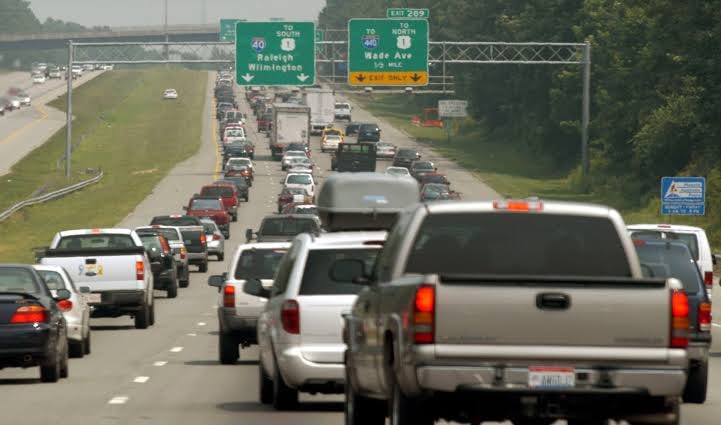
U.S. traffic deaths fell significantly in the first half of 2026, bringing the national fatality rate to its lowest level since 2014. The National Highway Traffic Safety Administration (NHTSA) reported on Tuesday that the decline in roadway deaths comes even as the overall number of drivers on the road has gone up.
According to the agency’s early estimates, the fatality rate dropped to a near-record low of 1.02 deaths per 100 million vehicle miles traveled (VMT), down from 1.05 during the same period in 2025. This encouraging safety trend occurred despite overall vehicle miles traveled increasing by 0.8% across the country. In total, 35 states and Puerto Rico are projected to have experienced localized decreases in traffic fatalities during the first six months of the year.
The reduction coincides with the recent rollout of the Pathways to Safer Streets (P2SS) action plan, a comprehensive traffic safety effort directed by Transportation Secretary Sean Duffy. Under the new framework, the NHTSA is actively partnering with local and state law enforcement agencies to support vigorous, high-visibility traffic enforcement aimed at identifying and stopping dangerous and reckless drivers.
Beyond law enforcement and preventative measures, the agency has also credited new medical interventions for the declining death rate. The NHTSA has heavily increased its support for prehospital blood transfusion programs, an initiative that equips emergency medical service (EMS) units to safely administer blood to crash victims before they reach a hospital. According to government research, this critical on-site innovation decreases mortality rates for trauma patients suffering from severe bleeding by 37%.