

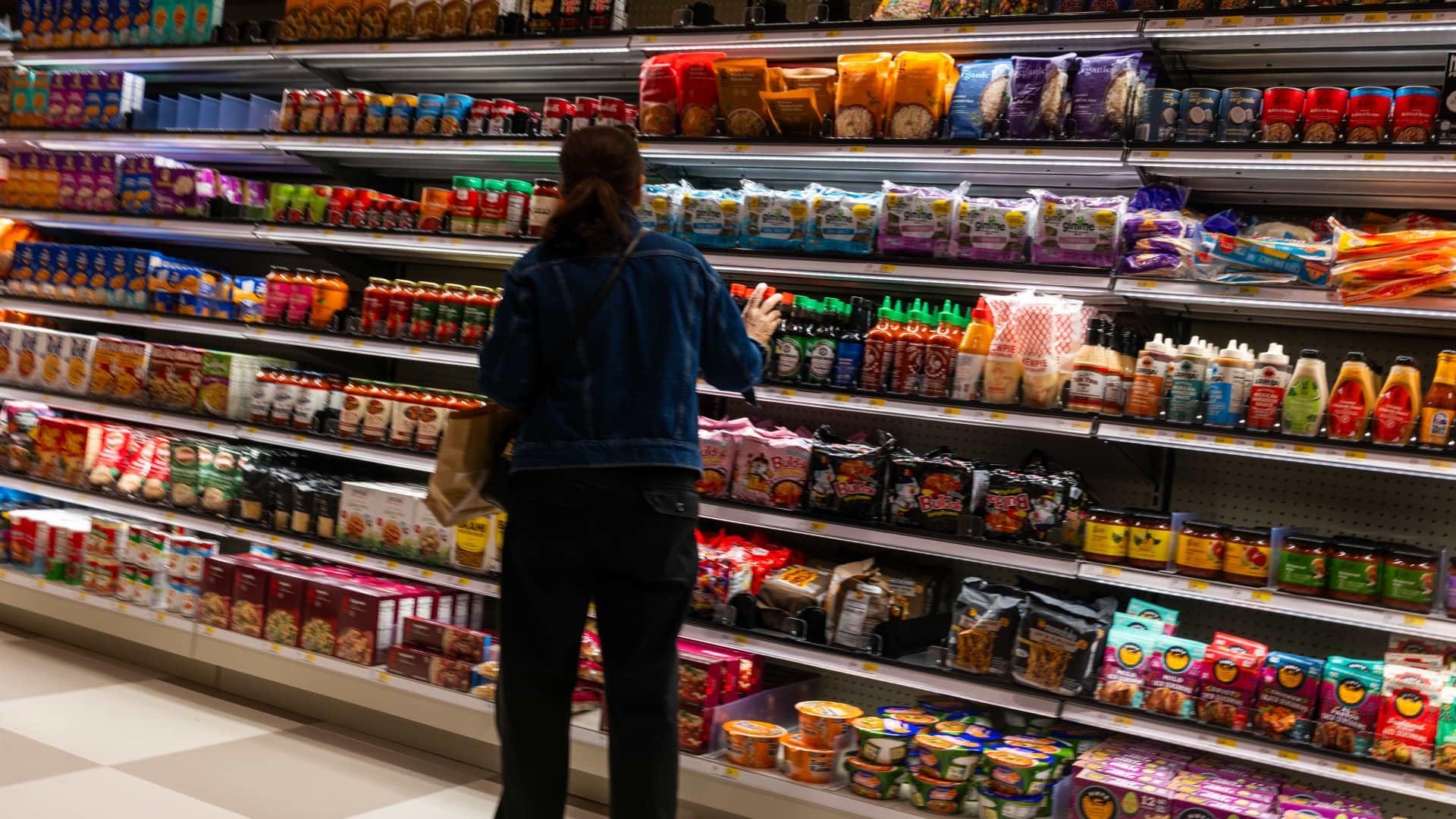
U.S. wholesale prices increased by 0.3% in October, pushing the annual rate of producer inflation to 6.5%—its highest level in nearly four years. The latest data released by the Bureau of Labor Statistics (BLS) underscores persistent inflationary pressures as the American economy heads toward the end of 2026.
The October Producer Price Index (PPI) report revealed a divided economic landscape. Prices for final demand goods rose 0.5% for the month, largely driven by a 1.3% spike in food costs and surging prices for basic organic chemicals. These increases managed to offset a slight 0.1% decline in the energy sector, which was aided by a drop in diesel fuel prices.Meanwhile, prices for final demand services moved up 0.2%, marking the fifth consecutive monthly increase. That jump was heavily fueled by rising costs in transportation and warehousing, particularly a sharp increase in freight truck transportation.
When stripping out volatile categories like food, energy, and trade services, the core PPI advanced 0.5% for the month and 4.9% over the past 12 months.
The sticky wholesale inflation data, which arrives on the heels of a hot consumer inflation report and ongoing global energy concerns tied to the war in Iran, complicates the Federal Reserve’s upcoming policy trajectory. Financial markets are closely analyzing the data to predict the central bank’s next move, with futures markets currently factoring in high odds of another interest rate hike during the Federal Open Market Committee’s December meeting.