

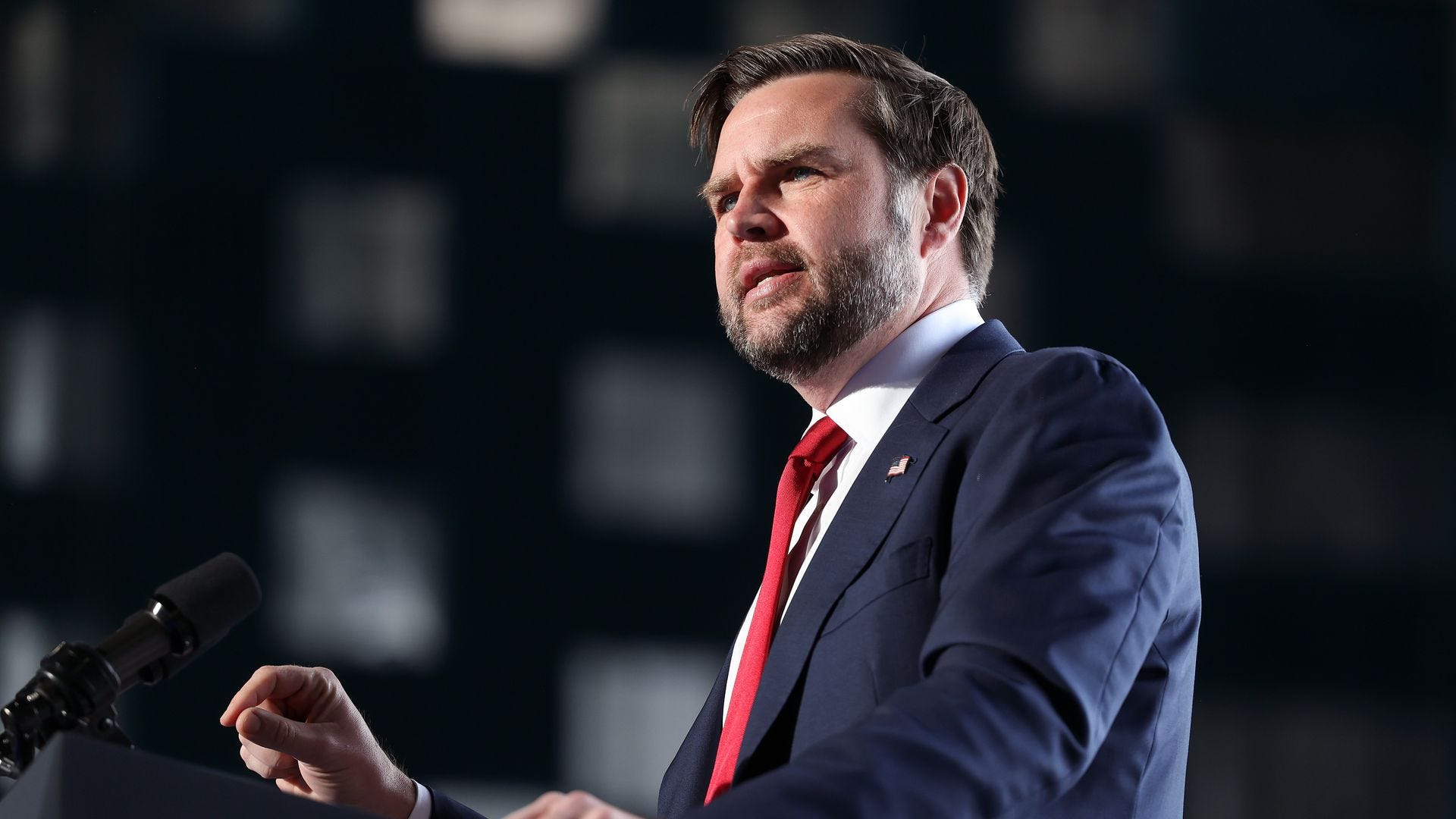
Vice President JD Vance has taken a leading role in behind-the-scenes efforts to secure a ceasefire with Iran and revive stalled nuclear negotiations. The sweeping diplomatic push comes just days after the Republican Party’s massive midterm defeats, which Vance recently blamed on voter anger over the ongoing Middle East conflict.
For the past two weeks, Vance has been coordinating daily with Qatari Prime Minister Sheikh Mohammed bin Abdulrahman Al Thani and Pakistani mediators to facilitate backchannel communication with Tehran. Sources report that the Vice President recently sent an official letter to Mohsen Rezaei, secretary of Iran’s Supreme National Security Council, proposing a return to direct negotiations. The discussions have focused on setting up a working-level technical meeting between American and Iranian delegates in the coming days, with White House Special Envoy Steve Witkoff and Jared Kushner also involved in the broader diplomatic strategy.
The diplomatic effort represents a complex dual-track approach from the administration. While President Donald Trump has allowed the negotiations to mature—holding a phone call on Friday with Qatar’s Emir to discuss maintaining peaceful dialogue—the White House is simultaneously maintaining heavy military pressure. The administration confirmed that American forces conducted a limited strike on an Iranian air-defense system near Qeshm Island on Friday, keeping wider military campaigns on the table if diplomacy fails.
In Tehran, Vance’s overtures have triggered intense debate. While some Iranian officials believe the White House correspondence has created positive momentum, hardliners and political commentators remain heavily divided on whether to engage, viewing the post-election overtures as either an opportunity to secure sanctions relief or a tactical trap.
With the newly empowered Democratic majority preparing to take control of Congress in January, the Trump administration appears eager to defuse the geopolitical crisis that significantly contributed to its recent electoral backlash.