

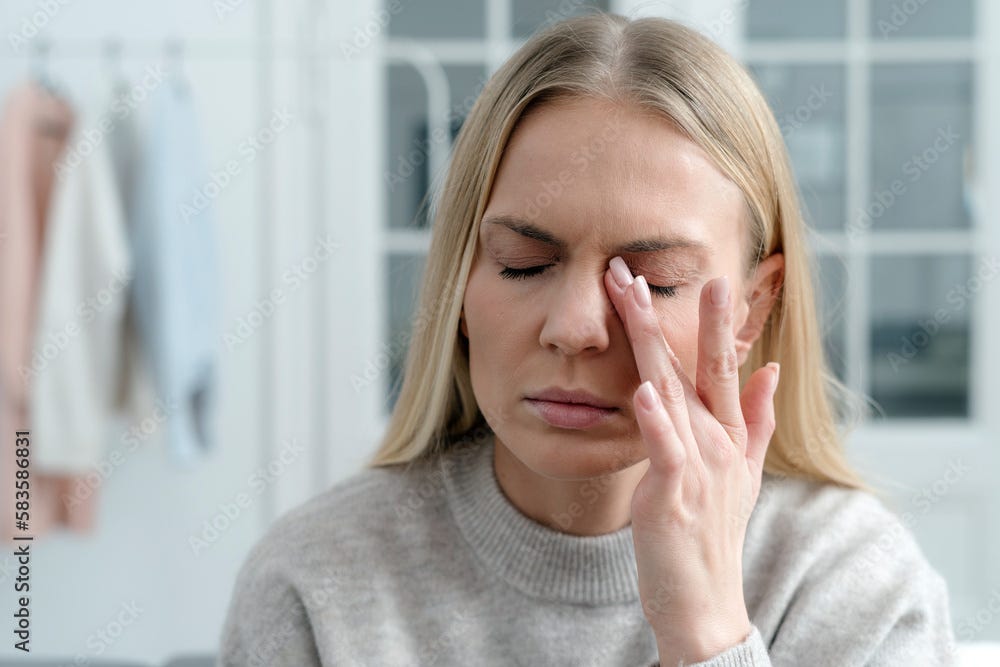
The gap in exhaustion between men and women isn’t just anecdotal—it’s backed by science. According to a newly published report by the Centers for Disease Control and Prevention (CDC), women in the United States are far more likely to experience frequent fatigue than men.
The data, drawn from the 2024 National Health Interview Survey, provides a nationally representative look at how exhaustion affects everyday Americans. The findings show that a staggering 20% of women reported feeling very tired or exhausted on most days or every day, compared to just 13% of men.
Age, Demographics, and the “Tiredness” Gap
The report also dismantled the common assumption that fatigue worsens as people get older. In fact, younger adults reported the highest levels of exhaustion. Nearly 20% of adults aged 18 to 34 experienced frequent fatigue, while the lowest rates (12.9%) were found among seniors aged 65 and older.
The CDC also tracked exhaustion across different racial and ethnic groups:
American Indian and Alaska Native adults reported the highest rates of frequent fatigue at 25.5%.
White adults followed at 18%.
Black adults reported a rate of 17.3%.
Hispanic adults came in at 12.9%.
Asian adults had the lowest rate of frequent fatigue at just 9.1%.
The Broader Impact on Women’s Health
Beyond simply needing a nap, frequent fatigue often travels with other significant health issues. The CDC data highlighted that adults experiencing chronic exhaustion were roughly three times more likely to report symptoms of depression, anxiety, and trouble concentrating. More than one in three adults with frequent fatigue (36%) said it limited the kind or amount of work they could accomplish.
While the survey is cross-sectional and didn’t pinpoint the exact causes of this gender gap in fatigue, medical experts suggest a variety of biological and psychosocial factors are at play. From hormonal fluctuations and higher rates of thyroid disorders in women to sleep disruptions linked to caregiving, the “mental load,” and household labor, women often face a compounded risk for physical and emotional exhaustion.